

 Hannah Brooks
The Calm Cook’s Guide to Ounces and Kilograms
A long read, about 25 minutes
The Supermarket Aisle Where Two Worlds Meet
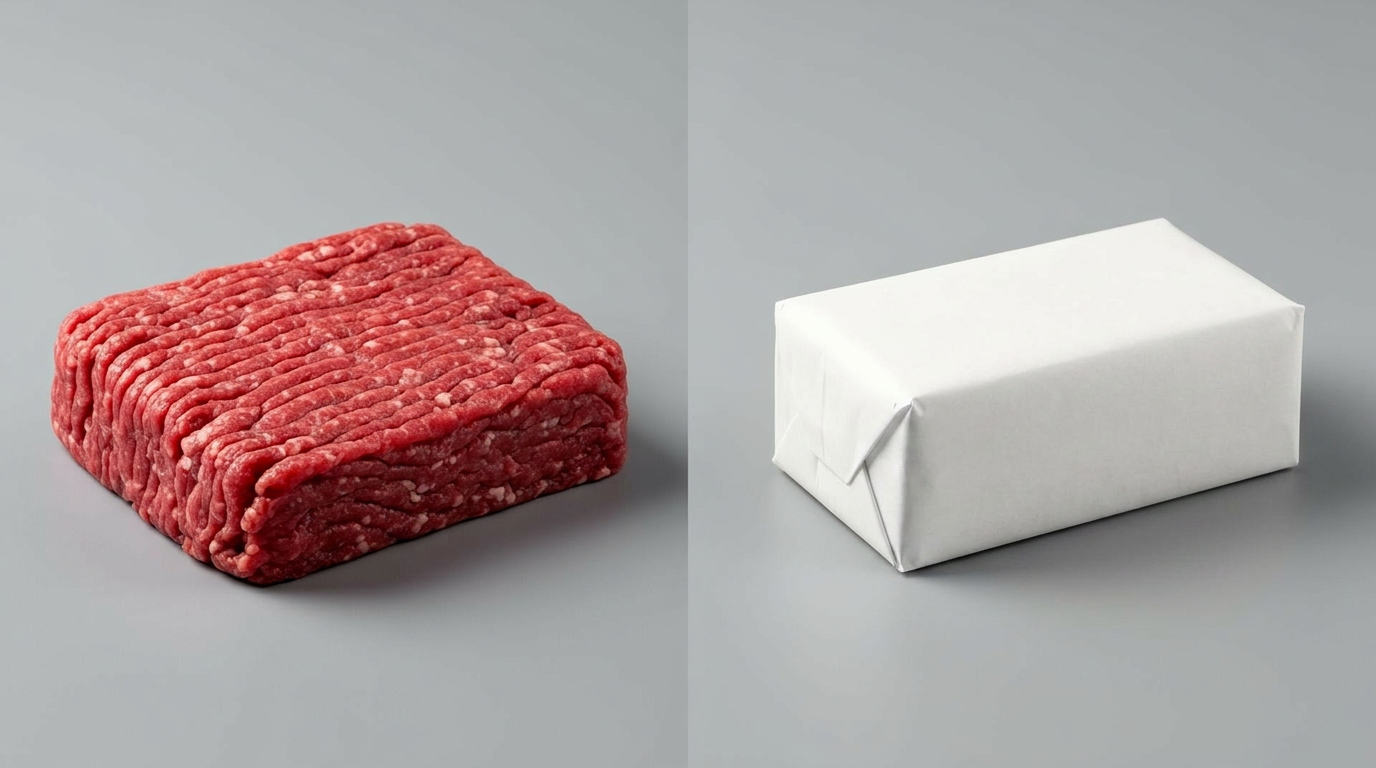
You are standing in a supermarket aisle holding two packages of meat. One is a rectangular American style brick of ground beef, labeled in big friendly letters as a sixteen ounce pack. The other is a paper wrapped European import labeled five hundred grams. They feel almost the same in your hand. They probably cost about the same too. Somewhere in the back of your mind a small voice is asking whether sixteen ounces and half a kilogram are actually the same weight, and a slightly louder voice is wondering whether a recipe written in kilograms can be trusted to scale up cleanly when your scale only reads in pounds and ounces. None of these are foolish questions. They are the everyday friction of living between two perfectly sensible weight systems that grew up on opposite sides of a long historical accident.
Most of the world weighs in kilograms. The United States weighs in pounds and ounces. Almost everyone has met somebody from the other camp. A British grandparent tells you a baby was born at three point four kilograms and you have no idea whether to congratulate them on a small one or a big one. An American friend tells you the new puppy is twelve pounds and a Dutch friend at the same dinner table cannot picture what that means. A travel guide warns that the airline cap is twenty three kilograms and you are standing at the check in counter trying to do the math in your head before the agent calls you forward.
This guide is the long, calm walk through ounces and kilograms that those moments deserve. We will start with the two numbers that solve the vast majority of everyday questions, then slowly widen out to the cases those numbers do not cover. The avoirdupois ounce and the troy ounce. Body weight, gym plates, and luggage. Cooking, babies, shipping, and the surprising number of contexts where a few ounces or a few hundred grams quietly decide whether something fits. By the time you reach the end, the calculator at the top of this page will feel less like a crutch and more like a friendly second opinion you can lean on whenever the units start to drift.
The Two Numbers That Solve Most of It
The two most useful numbers on this whole page are zero point zero two eight three five and thirty five point two seven four. The first is how many kilograms are in one everyday ounce. The second is how many ounces are in one kilogram. Together they handle ninety percent of the conversions a normal life will ever ask. To go from ounces to kilograms, multiply by zero point zero two eight three five. To go from kilograms to ounces, multiply by thirty five point two seven four. That is the entire arithmetic engine behind every calculator on the topic, including the one above.
For everyday purposes those numbers are easier to picture than they look. One ounce is about three percent of a kilogram. Sixteen ounces, which is one US pound, is about zero point four five kilograms. A kilogram is roughly two and a quarter pounds. Five kilograms is just over eleven pounds. Ten kilograms is about twenty two pounds. Twenty three kilograms, the most common international airline limit, is just over fifty pounds. Once you internalize those few stepping stones, you can travel between the two systems in your head without any tool at all.
The ladder works in reverse just as easily. Two ounces is about fifty seven grams, or zero point zero five seven kilograms. Eight ounces, half a pound, is about zero point two three kilograms, or two hundred twenty seven grams. Sixteen ounces, a full pound, is about zero point four five kilograms, or four hundred fifty four grams. A hundred ounces is just under three kilograms. Five hundred ounces is just over fourteen kilograms. None of these need a calculator once the rule is in your bones, but the calculator is always there for the moments when the number is awkward and the result needs to be exact.
There is one important detail to keep at the front of your mind. The ounce in this rule is the everyday ounce, the kind printed on a bag of flour or a postage label. Precious metals like gold and silver use a different ounce called the troy ounce, which is about ten percent heavier. We will come back to this in detail in a moment. For now, hold on to zero point zero two eight three five for everything you eat, lift, ship, or wear, and remember that the metals world quietly plays by a slightly different number.
The Pound and the Kilogram Are Cousins, Not Twins
The pound and the kilogram look similar at a glance because they are both the everyday unit of weight in their respective systems. Both fit comfortably in the hand. Both are roughly the weight of a paperback book or a small bag of rice. But they are not the same. One pound is exactly four hundred fifty three point five nine two three seven grams, by international agreement. One kilogram is exactly one thousand grams, by definition. That makes a kilogram about two point two zero five times heavier than a pound, or roughly two and a quarter times heavier in friendly conversation.
The practical effect shows up everywhere two systems share shelf space. A sixteen ounce package of ground beef and a five hundred gram package of butter look about the same size, but the butter is forty six grams heavier. A bag of flour labeled five pounds is two point two seven kilograms. A bag of sugar labeled one kilogram is two pounds and three ounces. A garden hose labeled fifty pounds is twenty two and a half kilograms. A medicine bottle that lists the dose in milligrams per kilogram of body weight cannot be safely converted from a pound based body weight without doing the kilogram math first.
None of this is a flaw in either system. Pounds and kilograms are both perfectly reasonable units of mass. The friction is purely linguistic. Two big trading blocs picked different anchors a long time ago, and the modern world has been quietly translating between them ever since. The calculator above does the translation in the background, but the deeper habit worth building is a small set of mental landmarks. Once you know that a kilogram is a little more than two pounds and that a pound is a little less than half a kilogram, the rest is just decimals.
A Calm History of How Two Systems Grew Up Apart
None of the modern confusion was anyone's plan. The pound has been drifting around Europe for more than two thousand years. Roman traders used a unit called the libra, which is the reason the modern abbreviation for the pound is lb. Twelve unciae, which became our word ounce, made one Roman libra. Through the Middle Ages, every European market town effectively had its own pound, each calibrated to local commerce in wool, grain, or coin metal. England eventually settled on the avoirdupois pound for everyday goods, and that pound became the standard across the British Empire and later the United States.
The kilogram is much younger. It was born in seventeen ninety five during the French Revolution, when a committee of scientists decided to start over with a clean decimal system based on natural constants. The gram was defined as the mass of one cubic centimeter of water at the temperature of melting ice. A kilogram was simply one thousand grams, which conveniently also turned out to be the mass of one liter of water. The whole metric system was designed to make calculation effortless, and within a generation it had spread across continental Europe, and within a century it had reached most of the world.
The English speaking world watched all of this with polite interest but kept its existing units. The United Kingdom officially adopted the metric system in the nineteen sixties but never quite finished the transition, which is why British supermarkets still list weights in grams and kilograms while British people still talk about their own body weight in stones and pounds. The United States went the other direction. It commissioned a metric conversion in the seventeen nineties, then in the nineteen seventies, and never followed through either time. American science and medicine work in metric. American everyday life works in pounds and ounces. The two systems coexist quietly side by side, separated by a thin curtain of arithmetic.
By international agreement in nineteen fifty nine, the United States, the United Kingdom, Canada, Australia, New Zealand, and South Africa all formally defined the avoirdupois pound as exactly four hundred fifty three point five nine two three seven grams. That fixed the conversion factor between the two systems forever, which is the reason every modern ounce to kilogram calculator gives the same answer no matter where on Earth you load it. The calculator above carries that exact factor under the hood, so you can trust its conversions to the last decimal place that matters.
Two Different Ounces Hiding in the Same Word
The everyday ounce has a formal name almost nobody uses. It is called the avoirdupois ounce, from the old French phrase meaning the goods of weight. One avoirdupois ounce equals exactly twenty eight point three four nine five two three one two five grams, or about zero point zero two eight three five kilograms. Sixteen avoirdupois ounces make one pound. This is the ounce on every food label, every postage scale, and every American bathroom scale that switches between pounds and ounces.
The troy ounce is a different unit with a different history, named after the medieval French market town of Troyes. One troy ounce equals exactly thirty one point one zero three four seven six eight grams, or about zero point zero three one one kilograms. The troy ounce is about ten percent heavier than the avoirdupois ounce. Twelve troy ounces, not sixteen, make one troy pound, although the troy pound itself has nearly disappeared from daily life. The troy ounce survives because it is the unit gold, silver, platinum, and palladium are still priced in worldwide. When a financial headline reports the price of gold, the unit is troy, even when the article never bothers to say so.
For the kilogram conversion this matters every time you weigh precious metal. A one ounce silver coin contains one troy ounce of silver, which is about thirty one grams or zero point zero three one kilograms. A ten ounce gold bar contains ten troy ounces of gold, which is three hundred eleven grams, or zero point three one one kilograms. A one kilogram gold bar, the kind sold by major bullion dealers, contains exactly one thousand grams, which is about thirty two point one five troy ounces. The calculator above lets you flip between the two ounce types with a single click, so the right number comes out no matter which world you are weighing in.
For everything else, leave the toggle on avoirdupois. Cooking, body weight, postage, packaging, parcels, gym equipment, fishing tackle, baby weights, and groceries all use the everyday ounce. The troy ounce only appears in the rare moment you find yourself buying or selling something precious by weight. That single mental rule, troy for treasure and avoirdupois for everything else, will steer you correctly almost every time.
Body Weight, Plates, and Why Lifters Love Kilograms
Body weight is one of the places where the two systems fight hardest in everyday speech. American adults talk about themselves in pounds. British adults talk about themselves in stones, where one stone is fourteen pounds. Continental Europeans, almost everyone in Asia, almost everyone in Latin America, and most of Africa talk about themselves in kilograms. A doctor who works internationally has to translate between all three constantly, often in the same conversation.
The basic landmarks are worth memorizing. A typical adult woman might weigh anywhere between fifty and seventy five kilograms, which is roughly one hundred ten to one hundred sixty five pounds. A typical adult man might weigh anywhere between sixty five and ninety five kilograms, which is roughly one hundred forty to two hundred ten pounds. A small child weighs between fifteen and thirty kilograms, or thirty three to sixty six pounds. A heavy adult might cross one hundred kilograms, which is two hundred twenty pounds, or fifteen and three quarters stones in British conversation. The calculator above can convert any number from any of these systems into any of the others in a single click.
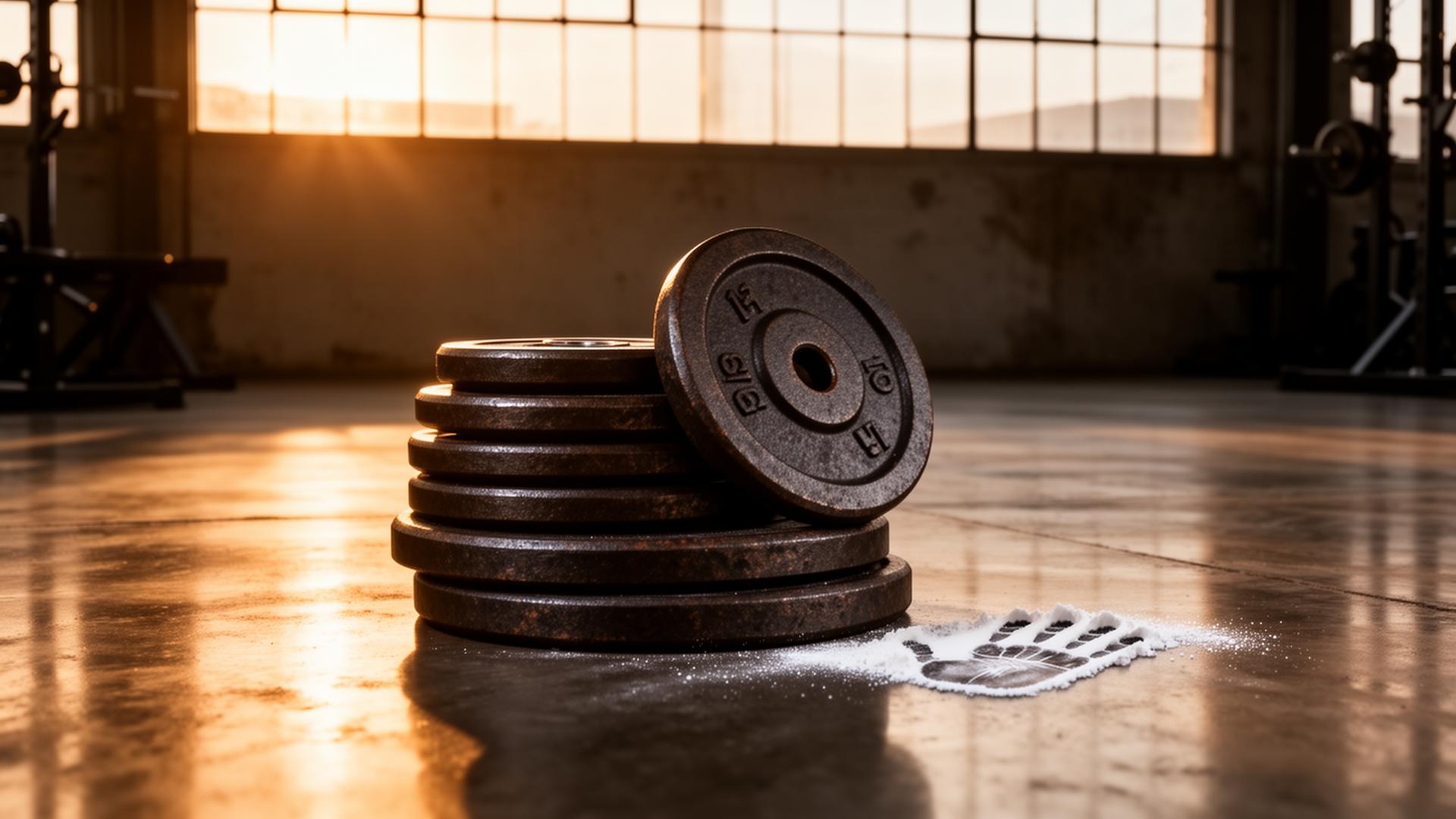
The gym is the place where the world's two systems hit hardest. Almost every barbell on Earth is sized for kilogram plates. Olympic weightlifting, powerlifting, and strongman competitions worldwide are scored in kilograms. American commercial gyms, however, almost always stock pound plates, sometimes mixed with kilogram plates that confuse newcomers. A standard Olympic barbell weighs twenty kilograms, which is forty four pounds. A two and a half kilogram plate is about five and a half pounds. A twenty kilogram plate is about forty four pounds. The calculator can translate any plate weight in either direction, but the deeper trick is that serious lifters slowly become bilingual, and within a year a competitive lifter can read either system without effort.
Personal training programs add another layer. A program written in kilograms might prescribe one hundred kilograms for a working set on the squat. The same program adapted for an American gym will round to two hundred twenty five pounds, which is about one hundred two kilograms, slightly more than the original. That two percent rounding error is invisible for most lifters, but for an athlete chasing a personal record it can matter. The calculator handles the exact conversion, and a careful coach uses it for every prescribed lift rather than relying on the friendly rounded numbers.
Luggage, Airlines, and the Twenty Three Kilogram Wall
International travel runs on kilograms. Almost every airline in the world publishes its checked baggage allowance in kilograms, and the most common limit for economy class is twenty three kilograms per bag. That number is not random. It comes from an old workplace safety guideline that capped how much weight a single baggage handler should be expected to lift on their own. Airlines that exceed twenty three kilograms have to pay overtime or risk injury claims, so the limit has settled there across most of the industry.
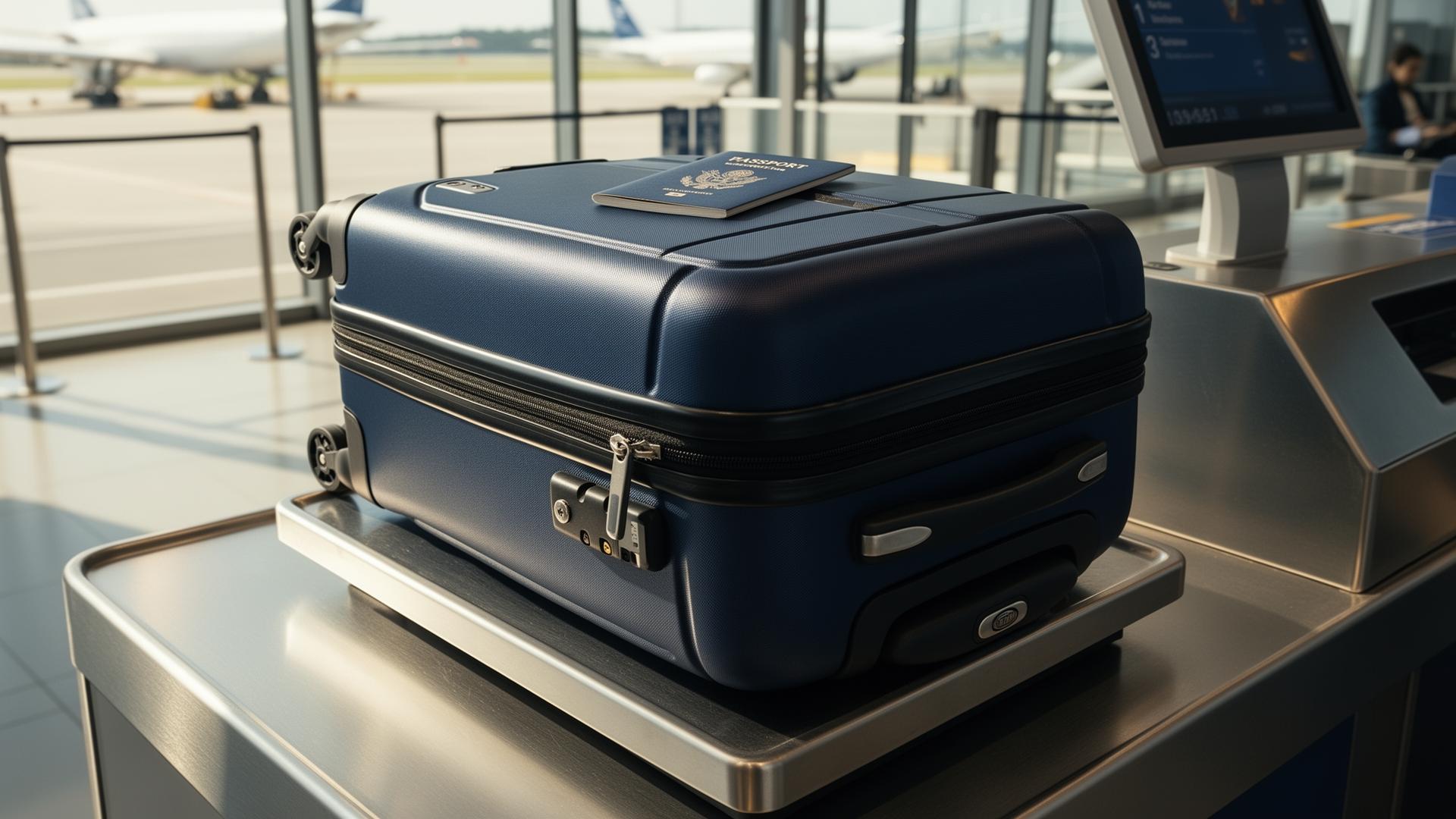
For an American traveler used to thinking in pounds, twenty three kilograms is fifty point seven pounds. The airline allowance is sometimes printed in the booking confirmation as a clean fifty pounds for simplicity, which means a bag that weighs exactly fifty pounds is right at the limit. A bag that weighs fifty one pounds is twenty three point one kilograms, which on a strict day will trigger an overweight fee that can be larger than the cost of a second checked bag. The math is small, but it lives at the exact border where travel gets expensive.
Carry on bags follow a similar pattern. A typical international carry on limit is seven or ten kilograms depending on the airline, which is roughly fifteen and a half or twenty two pounds. Budget airlines in Europe and Asia weigh carry on bags at the gate and charge significant fees for being even half a kilogram over. The cure is a small luggage scale that reads in both kilograms and pounds, ideally one with a tare button that lets you weigh the bag with the strap loop attached and zero out any extras.
Packing strategy gets sharper once the limits are clear. A typical roller suitcase weighs between three and four kilograms empty, which leaves about nineteen kilograms for clothes and toiletries. A typical large checked bag weighs closer to five kilograms empty, which only leaves eighteen kilograms of usable allowance. A pair of hiking boots weighs about a kilogram. A heavy winter coat weighs almost two. A laptop in its case is closer to two and a half kilograms. Once the heaviest items are weighed honestly, the rest of the packing list almost packs itself, because the remaining allowance is much smaller than most travelers assume.
Cooking and Baking When the Recipe Is Foreign
European cookbooks almost always work in grams and kilograms. A French bread recipe might specify five hundred grams of bread flour, three hundred grams of water, and ten grams of salt. A German cake recipe might list two hundred fifty grams of butter, one hundred fifty grams of sugar, and one hundred grams of almond meal. None of those numbers are scary on their own, but a cook who only owns measuring cups will struggle to translate them without losing the precision that makes the recipe work.
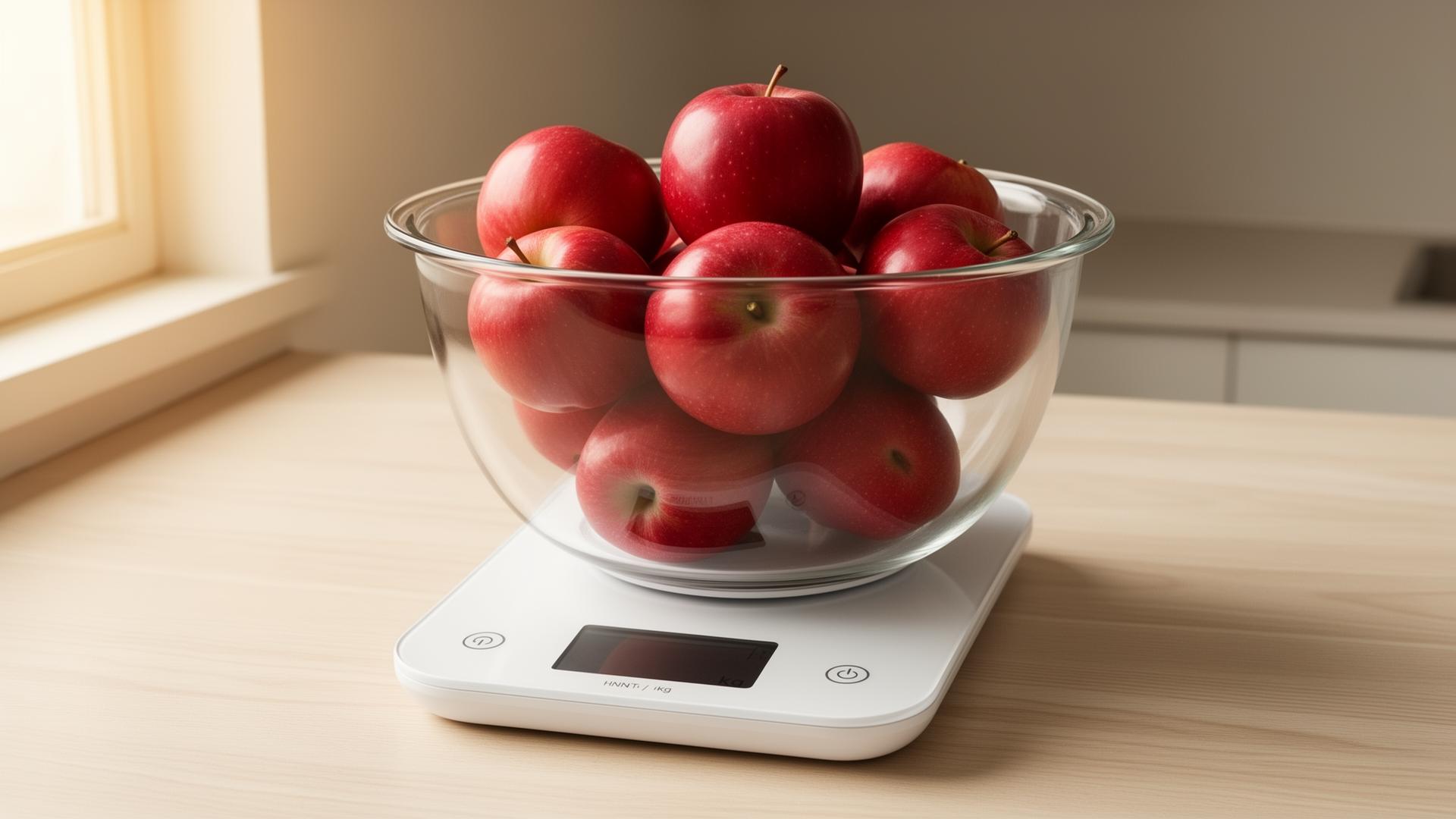
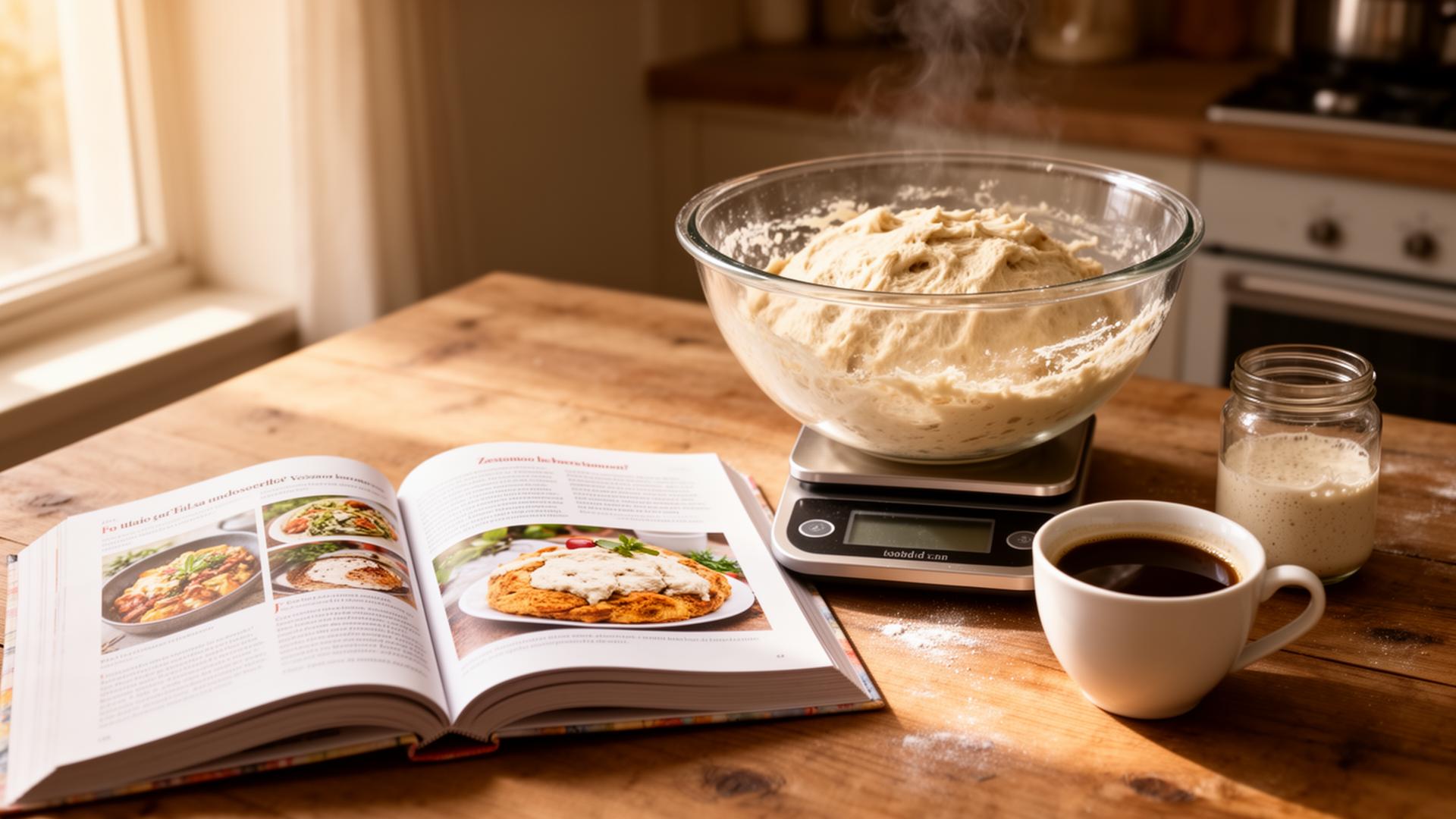
The cleanest fix is a kitchen scale that toggles between grams, kilograms, and ounces. Place the bowl on the scale, zero it, pour in the flour until the display reads the gram weight you need, zero again, and add the next ingredient. The whole list takes a fraction of the time that measuring cups would, with no second guessing about the scoop and no parade of dirty cups in the sink. A scale also makes it possible to bake from any cookbook in the world without translating anything ahead of time.
For larger projects the kilogram side of the scale becomes the easier number. A holiday turkey brine that calls for a five percent salt solution by weight is a clean calculation in kilograms. Five percent of two kilograms of water is one hundred grams of salt. The same recipe in pounds and ounces becomes a fiddly fraction. A fermentation project that asks for eighty percent hydration in a sourdough bread is a clean calculation in grams. Eighty percent of five hundred grams of flour is four hundred grams of water. The same ratio in cups is much harder to hit consistently because flour density varies with humidity and packing.
For American cooks who want to keep their existing recipe collection, the calculator above can also work the other way. A favorite American recipe written in pounds and ounces can be converted to grams once and saved, then followed faithfully on a scale every time afterward. The first conversion takes ten minutes. Every subsequent baking session saves at least that much, because there are no measuring cups to wash and no scoop calibration to worry about. Over a year the time savings are substantial, and the consistency of the results is even better than the time savings would suggest.
Babies, Birth Weight, and the Pediatrician's Chart
Babies are weighed in kilograms almost everywhere except the United States, and even American hospitals usually record the medical chart in kilograms behind the scenes while announcing the friendly pound and ounce number to the family. A typical newborn weighs between two point five and four point five kilograms, which is roughly five and a half to ten pounds. A premature baby below two point five kilograms requires extra monitoring. A baby above four kilograms sometimes needs a closer look at the mother's blood sugar during pregnancy. The medical thresholds were defined in kilograms first, and the pound translations are always a slight rounding of the real number.
For new parents the conversion comes up almost daily. The pediatrician charts weight gain in kilograms or grams, then announces the change in pounds and ounces. The infant dose for many medications is a milligram per kilogram of body weight, which means even the friendliest pound number on the family scale has to be quietly converted to kilograms before any medicine is measured. Almost every baby specific calculator on the internet works in kilograms by default, even when the user interface is in English.
The shortcut worth keeping in your head is that one kilogram is two pounds and three ounces, or about two point two pounds. A baby who gained two hundred grams in a week gained about seven ounces. A baby who weighs three point five kilograms weighs seven pounds and twelve ounces. A baby who weighs four point one kilograms weighs nine pounds and a fraction. The calculator above will give the exact answer, but the rough mental conversion is enough to follow most pediatric conversations without having to ask for a translation.
Toddler and child weights work the same way. A two year old typically weighs between ten and fourteen kilograms, which is roughly twenty two to thirty one pounds. A five year old typically weighs between sixteen and twenty two kilograms, which is roughly thirty five to forty eight pounds. Car seat manufacturers often publish their weight ranges in pounds in the United States and in kilograms in Europe, with both numbers printed on the same product for the international market. Knowing the conversion is the only way to verify that a particular seat is still safe for a particular child.

Parcels, Freight, and the Cost of a Few Extra Ounces
Shipping is one of the few corners of life where a few extra ounces or a few hundred grams can quietly cost real money. Almost every shipping carrier prices parcels in fixed weight bands, and the borders between bands sit on round numbers that rarely line up between pound and kilogram systems. A package that weighs sixteen and a half ounces in a one pound band has been pushed into the next band by half an ounce. A package that weighs five point one kilograms in a five kilogram band has been pushed into the next band by a hundred grams.
For domestic American shipping the bands are usually in pounds and ounces, with the smallest first class band ending at one ounce and the priority mail bands stepping up by full pounds. For international shipping the bands are usually in kilograms, with common steps at one half, one, two, five, ten, and twenty kilograms. A small online seller who ships internationally has to know both, because the same product crosses both pricing tables on its way to the customer. The calculator above can translate between the two units instantly, which is helpful when comparing rates between two carriers that publish in different systems.
The shrewd shipper learns a few small habits. Weigh every parcel on a scale that reads down to a single gram or a tenth of an ounce. Round up rather than down when in doubt, because the carrier always rounds up. Keep packaging materials lightweight, because every gram of bubble wrap and every ounce of tape eats into the usable weight before the actual product is added. For products that sit close to a band edge, switching from a heavy cardboard box to a lighter padded mailer can drop a parcel into the cheaper band and save a meaningful percentage on every order.
Freight shipping at industrial scale lives in metric tonnes, where one tonne is one thousand kilograms. A shipping container of furniture might weigh ten tonnes. A pallet of packaged goods might weigh six hundred kilograms. American freight invoices sometimes still report short tons, where one short ton is two thousand pounds, which is about nine hundred seven kilograms. Knowing the difference between a short ton and a tonne is the difference between paying the rate you expected and discovering an unwelcome ten percent surprise on the invoice. The calculator above can handle these too, by converting weights in either direction with the right ounce or kilogram precision.
Choosing a Scale That Reads Both Units
A scale that toggles between ounces and kilograms is the single household tool that pays for itself most quickly when both unit systems are part of your life. The features worth looking for are short and easy to remember. A flat platter at least the width of a mixing bowl. A clear digital display that reads down to a single gram or a tenth of an ounce. A capacity of at least three kilograms for kitchen use, or twenty kilograms for luggage and parcels. A unit toggle that cycles through grams, kilograms, ounces, and pounds with a single button. A tare button that zeros the scale with one press.
For kitchen work, a standard digital kitchen scale is enough. For luggage and shipping, a portable hanging scale is the right tool, because it can lift a checked bag by the handle and read the weight in either kilograms or pounds. For workshops and gyms, a sturdy platform scale that handles up to a hundred and fifty kilograms is the right choice, because it can weigh anything from a small parcel to a person. Each of these scales is inexpensive, and a single household often benefits from owning one of each. The kitchen scale lives on the counter. The luggage scale lives in the suitcase. The platform scale lives in the garage or the laundry room.
Trusting any scale takes a little patience. Once a month, place a known weight on the platter and check that the reading matches. A wrapped roll of coins is convenient because every roll has a published weight available online. A bottle of water with a labeled fill volume also works because a milliliter of water weighs one gram. If a scale ever drifts more than two or three percent from the expected number, the easy fix is a fresh battery. If the drift survives a fresh battery, the scale has reached the end of its useful life and the cost of a new one is small.
Mental Shortcuts You Will Actually Remember
A short list of mental shortcuts that survive the noise of a busy day.
One ounce is about zero point zero two eight kilograms, or twenty eight grams. One pound is about zero point four five kilograms, or four hundred fifty four grams. One kilogram is about two point two pounds, or thirty five and a quarter ounces. Memorize those three numbers and almost every everyday question is answered before you reach for any tool.
One troy ounce is about zero point zero three one kilograms, or thirty one grams. A small precious metals coin sold as a one ounce coin contains thirty one grams of metal. A kitchen scale set to ounces will read the same coin as a slightly larger number, because the kitchen scale uses the avoirdupois ounce. The metal has not changed weight. The unit is just smaller.
Twenty three kilograms is fifty point seven pounds, the most common international airline checked baggage limit. Seven kilograms is fifteen and a half pounds, a common carry on limit. Ten kilograms is twenty two pounds, a generous carry on limit. Knowing those three travel numbers keeps you on the right side of the airline counter every time.
One hundred grams is about three and a half ounces. Two hundred fifty grams is about nine ounces. Five hundred grams is about seventeen and a half ounces, just over a pound. Almost every European recipe sits inside that small ladder, which means once you can move freely between those four numbers, you can read any European recipe at a glance.
For body weight, fifty kilograms is about one hundred ten pounds, seventy kilograms is about one hundred fifty four pounds, ninety kilograms is about one hundred ninety eight pounds, and a hundred kilograms is about two hundred twenty pounds. Those four landmarks cover the typical adult range across most of the world.
The Five Mistakes That Trip Up Almost Everyone
Five mistakes catch nearly everyone at some point in this conversion world. Knowing them in advance is the cheapest way to avoid them.
The first mistake is treating fluid ounces and weight ounces as the same thing. A fluid ounce is a measurement of volume, the size of a space something fills. A weight ounce is a measurement of mass. The two are only equal for water, and even then only at room temperature. The calculator at the top of this page handles weight ounces. If the recipe in front of you uses fluid ounces, reach for a different tool that knows the density of the specific liquid you are pouring.
The second mistake is assuming all ounces are the same kind of ounce. The everyday ounce on a food label and the troy ounce on a gold coin are about ten percent different in weight. Mixing them costs nothing in the kitchen and costs real money at a coin shop. Always check the toggle on the calculator before reading the answer.
The third mistake is rounding too aggressively too early. The everyday rule of thumb is that a kilogram is two and a quarter pounds. The honest number is two point two zero five. For a single grocery item the difference is invisible. Multiply that small rounding error across a checked bag near the airline limit and you can be off by a full pound, which is enough to push a borderline bag into the overweight fee zone. Use the calculator for any conversion that involves more than ten or twenty kilograms, and let it carry the decimals for you.
The fourth mistake is trusting the printed weight on a package without verification. Net weight on a label is allowed by law to vary by a small percentage in either direction. A bag labeled five kilograms might really hold four point nine or five point one. For everyday cooking this never matters. For a careful baker working at a precise hydration percentage, weigh the actual ingredient before you start. The few seconds of extra effort save the rare batch that would otherwise come out wrong.
The fifth mistake is using a scale that has not been zeroed. Every scale drifts a little with temperature changes and battery age. A scale that reads two grams when nothing is on the platter will report every weight as two grams heavier than it really is. Press the tare or zero button before every recipe and every weighing session. That single habit eliminates almost every kitchen scale problem that home cooks ever experience.
Edge Cases the Calculator Quietly Handles for You
The calculator at the top of this page handles a few quiet edge cases that almost no shortcut covers. The first is the toggle between avoirdupois and troy ounces. Picking the right one before you type takes a single click and saves the most expensive mistake in the entire ounce world.
The second is the precision slider. A casual conversion in the kitchen needs only one or two decimal places. A calibration check on a digital scale benefits from four or five decimal places, because the underlying math is exact and reporting the exact answer makes any drift in the scale visible. The calculator slides smoothly between casual and precise without forcing you to choose a single mode for every conversion.
The third is the simultaneous output in grams and pounds. Almost every weight conversion question in real life is really three questions hiding inside one. How many kilograms is this. How many grams is this. How many pounds is this. The calculator answers all three at once, which means a single typed number tells you the answer in whichever unit happens to fit the moment.
The fourth is graceful handling of fractional inputs. If you measured a precise three and a quarter ounces of an ingredient, you can type three point two five and the conversion happens cleanly. If you weighed exactly two thousand four hundred seventeen grams of luggage and want to know whether that is closer to five or six pounds, the answer comes back without any fraction wrangling on your part.
The fifth and quietest feature is the swap button. Pressing it carries the result into the input field and reverses the direction of the conversion. That tiny convenience is the difference between a tool that works the way your brain works and a tool that forces you to retype the same number every time you want to check a conversion in the other direction.
How the Rest of the World Talks About Weight
Travel widely enough and you discover that weight has a few more local accents than you expect. Continental Europe talks about body weight in kilograms and food weight in kilograms and grams, with no fractional confusion. The United Kingdom talks about body weight in stones and pounds, food weight in grams and kilograms, and parcel weight in kilograms. Ireland talks mostly in kilograms but uses stones for body weight in friendly conversation. Australia and New Zealand talk in kilograms across the board. Canada is bilingual, with most products labeled in both kilograms and pounds, and most casual speech in kilograms.
Asia is mostly metric. Japan, China, Korea, India, Thailand, Vietnam, and Indonesia all use kilograms for body weight and food, with very few exceptions. India still uses some local units like the tola for traditional jewelry weighing, but modern commerce is entirely metric. South America is metric. Africa is mostly metric, with a few historical British units lingering in former British colonies. The Middle East is metric. Russia and the former Soviet states are metric.
That leaves the United States as the largest single country still primarily on pounds and ounces, joined informally by Liberia and Myanmar, the only other countries that have not formally adopted the metric system as the primary measurement standard. Inside the United States, science, medicine, and the military all work in metric units behind the scenes. Sports, groceries, recipes, body weight, and most everyday speech work in pounds and ounces. The two systems coexist quietly, and the calculator above is the small tool that bridges them whenever you need to cross from one to the other.
For travelers, the practical takeaway is simple. Outside the United States, expect kilograms for body weight, kilograms for groceries, kilograms and grams for recipes, and kilograms for luggage. Inside the United States, expect pounds and ounces for almost everything, with kilograms appearing only at the doctor and the international shipping counter. Knowing which system you are in is half the conversion. Knowing the rough conversion factor in your head is the other half. The calculator at the top of this page is the friendly safety net for the moments when the rough number needs to be exact.
The Quiet Confidence of Knowing Your Kilograms
The point of a long article like this is not to make you remember every decimal of every conversion factor. It is to give you the calm that comes from knowing the shape of the territory. Ounces and kilograms sound complicated until you spend half an hour with them, and then they become the kind of thing you can lean on without thinking. One kilogram is about two and a quarter pounds, or thirty five and a quarter ounces. One pound is about zero point four five kilograms. The everyday ounce is the avoirdupois ounce, and the heavier troy ounce belongs to gold and silver alone. Once those handful of facts settle into your head, the calculator above becomes a friendly second opinion rather than a crutch.
Trust the rule of two and a quarter for everyday conversions, the rule of twenty three kilograms for international travel, and the rule of zero point zero two eight three five for ounce to kilogram precision. Switch to troy when you weigh anything precious. Use a scale when the recipe matters, when the parcel sits near a band edge, or when the bag sits near the airline limit. Use the calculator when the recipe gets weird, when the unit comes from a country whose conventions you do not quite know yet, or when a dose depends on a number you do not want to round in your head. The combination of a steady mental model and a careful tool is enough to handle every ounces to kilograms question a normal life will ever throw at you. Weigh with confidence. Read the display when it settles. And when in doubt, type the number into the calculator at the top of this page and let it carry the last little bit of the load.