

 Hannah Brooks
The Calm Cook’s Guide to Ounces and Grams
A long read, about 25 minutes
The Moment You Stand in Front of a Scale
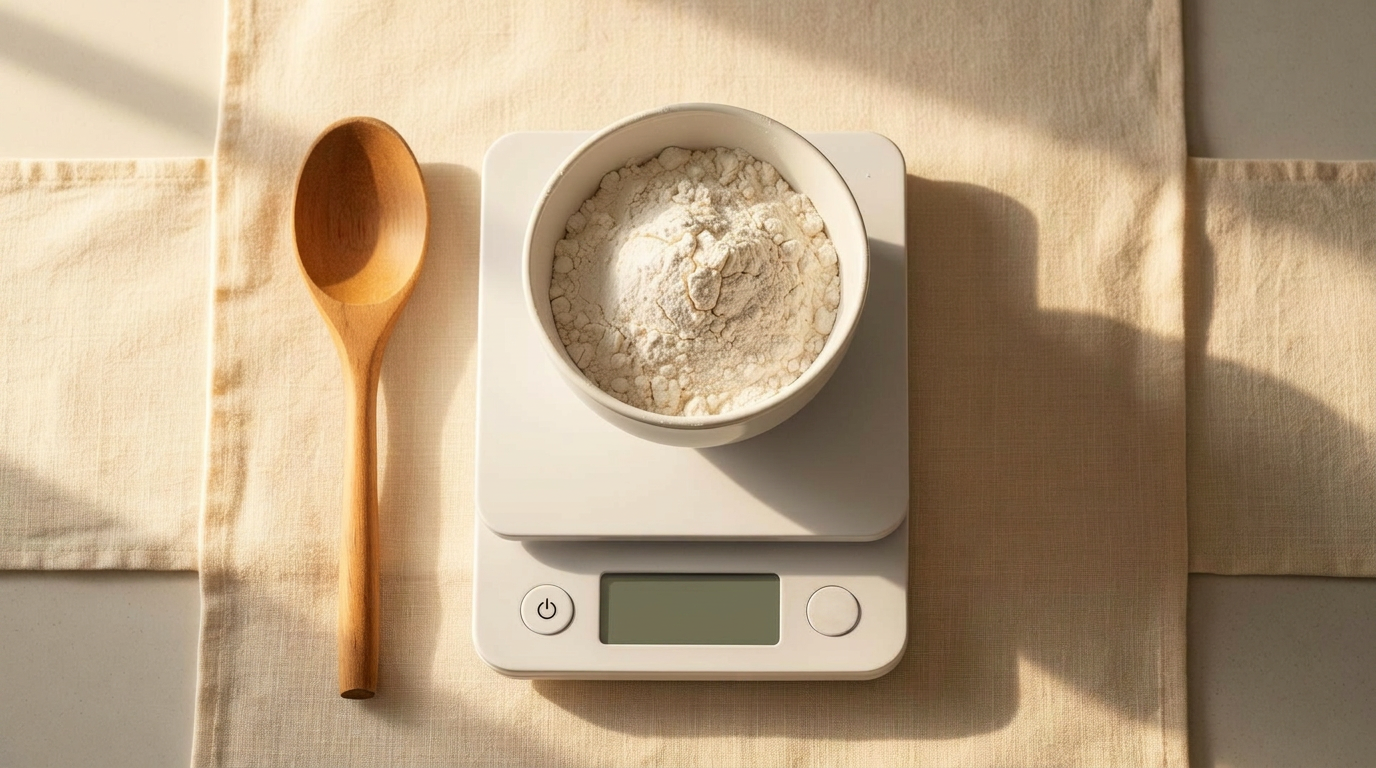
You have a recipe open on the counter. The author is from somewhere different than you, or maybe just from a different generation, and the ingredients are listed in grams instead of cups. The scale is sitting on the marble next to a pile of flour, and somewhere in the back of your mind a small voice is asking how many grams are in an ounce, and a slightly louder voice is wondering whether eight ounces of chocolate means a stack you weigh or a cup you measure. That tiny moment of hesitation is the same one a jeweler feels picking up a small bag of silver, the same one a parent feels weighing a baby on a clinic scale, and the same one a runner feels squinting at a label that lists protein in grams while the bottle promises ounces on the front.
None of those people are bad at arithmetic. They are just standing in front of two units of weight that have spent centuries growing up in different rooms of the same house. The ounce comes from an old European tradition of weighing wool, spices, and coin metal. The gram comes from a French committee in the late eighteenth century that decided to start over with a clean decimal system based on water. Both units survived. Both units still get printed on packaging today. The friction between them is what brings most people to a calculator like the one at the top of this page.
This guide is the long, quiet walk through ounces and grams that those moments deserve. We will start with the one number that handles the vast majority of everyday questions, then slowly widen out to the cases that single number cannot cover. The everyday ounce. The troy ounce used for precious metals. Weight versus volume. Baking, postage, fitness, and the international recipes that quietly mix the two. By the time you reach the end, the calculator will feel less like a crutch and more like a friendly second opinion you can trust on a busy day.
The One Number That Solves Most of It
The single most useful number on this whole page is twenty eight point three five. One everyday ounce, the kind printed on a bag of flour or the side of a cereal box, is just a hair over twenty eight point three five grams. To be exact, it is twenty eight point three four nine five two three one two five grams, fixed by international agreement in nineteen fifty nine. For everyday cooking and shopping, twenty eight and a third is close enough that nobody will ever notice the difference.
That one rule is enough to handle most kitchen questions without ever opening a calculator. Two ounces is about fifty seven grams. Four ounces is roughly a hundred thirteen grams. Eight ounces, which is half a pound, lands at two hundred twenty seven grams. Sixteen ounces, the full pound, comes in at four hundred fifty four grams, which is also why a five hundred gram tub of yogurt feels so close to a pound but slightly more generous. The pattern is so clean that once you learn it, your brain will reach for it without permission.
The ladder works in reverse just as easily. A hundred grams is about three and a half ounces, which is roughly the weight of a small chocolate bar. Two hundred fifty grams, a common European recipe size, is close to nine ounces, or just over half a pound. Five hundred grams is about seventeen and a half ounces. A full kilogram is about thirty five and a quarter ounces, or two pounds and three ounces. None of these need the calculator. They just need the ladder.
There is one important exception to this rule, and it is the reason a separate mode exists in the calculator above. Precious metals do not use the everyday ounce. They use a slightly heavier unit called the troy ounce, which weighs about thirty one point one grams. We will come back to this in detail in a moment, because mixing the two ounces is one of the most expensive mistakes a casual coin or jewelry buyer can make. For now, hold on to twenty eight and a third for everything you eat, lift, ship, or wear, and remember that the metals world quietly plays by a different number.
Two Different Ounces Wearing the Same Name
The everyday ounce has a formal name that almost nobody uses. It is called the avoirdupois ounce, and the word avoirdupois comes from old French, meaning roughly the goods of weight. It became the standard unit for trading bulk goods like wool, grain, and metal scrap in medieval Europe, and it crossed the Atlantic with English settlers as the unit you find on every food label in the United States today. One avoirdupois ounce equals exactly twenty eight point three four nine five two three one two five grams, and sixteen avoirdupois ounces make one pound.
The troy ounce is a different unit with a different history. It is named after the medieval French market town of Troyes, where merchants once standardized a weight system for valuable goods. One troy ounce equals exactly thirty one point one zero three four seven six eight grams, which is about ten percent heavier than an avoirdupois ounce. Twelve troy ounces, not sixteen, make a troy pound, although the troy pound itself has nearly disappeared from daily life. The troy ounce survives because it is the unit gold, silver, platinum, and palladium are still priced in worldwide. When you read that gold is trading at a certain dollar amount per ounce, the unit is troy, even when the article does not bother to say so.
The practical consequence is small in most lives but very large for anyone who buys precious metal by weight. A one ounce silver coin is one troy ounce, which is thirty one point one grams. A one ounce gold bar is one troy ounce, which is thirty one point one grams. A jeweler quoting a price per ounce for scrap silver is quoting per troy ounce. If you weigh those items on a normal kitchen scale set to ounces, the scale will report avoirdupois ounces, and the number it shows will be larger than the troy ounce number printed on the coin. The metal has not gained weight. The unit has just shrunk a little.
The calculator above lets you switch between the two with a single click. If you are weighing food, body weight, postage, or anything from a grocery shelf, leave the toggle on avoirdupois. If you are weighing a coin, a bullion bar, a gold chain, or anything you bought from a precious metals dealer, switch it to troy. The math behind the scenes uses the right number for whichever ounce you picked, and the gram answer comes out correctly. That one toggle saves more confusion than any other feature in the tool.
A Calm History of How an Ounce Got Its Weight
The ounce has been drifting around Europe for more than two thousand years. The Romans used a unit they called the uncia, which was one twelfth of their pound. The word uncia is also where the English word inch comes from, which is a small linguistic accident worth a smile. Twelve unciae made one Roman libra, and the libra is the reason the modern abbreviation for the pound is lb. None of these old units weighed exactly what a modern ounce weighs, but the family resemblance is unmistakable.
Through the Middle Ages, every European market town effectively had its own ounce. A merchant traveling from one city to the next had to keep a small set of comparison weights in a leather pouch, because a pound of pepper in Venice was a different pound than a pound of pepper in Paris. The avoirdupois ounce settled into its modern weight in England during the late thirteen hundreds, and it eventually became the standard for trading goods across the British Empire. The troy ounce, used in the cathedral fairs of Troyes, settled in for precious metals around the same time and never left.
The gram is the much younger sibling. It was defined in seventeen ninety five by the French Academy of Sciences as the mass of one cubic centimeter of water at the temperature of melting ice. That definition was tidy on paper, but it gave the gram a quiet poetic quality that has never quite gone away. A gram is the weight of a sip of cold water filling a tiny cube the size of a sugar cube. A kilogram, the metric unit most of the world weighs in for groceries, is the weight of one liter of water. Once you can picture that liter, the rest of the metric weight system suddenly feels very natural.
The two units met in earnest during the nineteenth century, when international trade demanded a way to translate prices, postage, and shipping weights between countries. By international agreement in nineteen fifty nine, the United States, the United Kingdom, Canada, Australia, New Zealand, and South Africa all agreed to define the avoirdupois pound as exactly four hundred fifty three point five nine two three seven grams. That makes the avoirdupois ounce exactly twenty eight point three four nine five two three one two five grams. The number looks finicky, but it is the polite scar tissue of two systems agreeing to coexist forever.
Weight Ounces, Fluid Ounces, and Why They Drift Apart
The biggest source of quiet confusion in the entire ounce world is that the word ounce can mean two completely different things. A weight ounce, the kind this calculator handles, is a measurement of mass. A fluid ounce is a measurement of volume, the size of the space something fills. The two are only equal for water, and even then only at room temperature.
Picture two identical glass jars side by side. Fill the first jar with eight fluid ounces of water. Fill the second jar with eight fluid ounces of olive oil. Both jars hold the same volume of liquid. Now place each jar on a kitchen scale. The water comes in at very nearly eight weight ounces, or about two hundred twenty seven grams. The olive oil comes in a little under seven and a half weight ounces, closer to two hundred eight grams. The volume is identical. The weight is not. That gap is density at work, and it is the reason a recipe that lists ingredients by weight in grams will always be more reliable than the same recipe written in cups or fluid ounces.
Look at any product label and the rule of thumb is simple. If the item is a liquid sold in a bottle or jug, the ounces almost certainly mean fluid ounces, which is volume. If the item is a solid sold in a bag or box, the ounces almost certainly mean weight ounces, which is mass. A bottle of soy sauce that says ten ounces is ten fluid ounces. A bag of pasta that says sixteen ounces is sixteen weight ounces, or one pound. The rule does occasionally bend at the edges, especially with thick liquids like honey or yogurt that are sometimes sold by weight in plastic tubs, but it is right far more often than it is wrong.
The cleanest fix in the kitchen is to pick a side and stick with it. If a recipe gives you grams, use a scale. If a recipe gives you cups, use a measuring cup. If a recipe mixes the two, weigh the dry ingredients and measure the liquids by volume, which is the convention most American recipe writers quietly assume. The calculator above is happy to help you cross between the two, but the deeper kitchen wisdom is that weight is the more honest measurement, and grams are the most honest weight unit. Once a kitchen scale lives on the counter, most cooks find themselves slowly drifting toward gram first recipes within a year.
Why a Kitchen Scale Quietly Saves Recipes
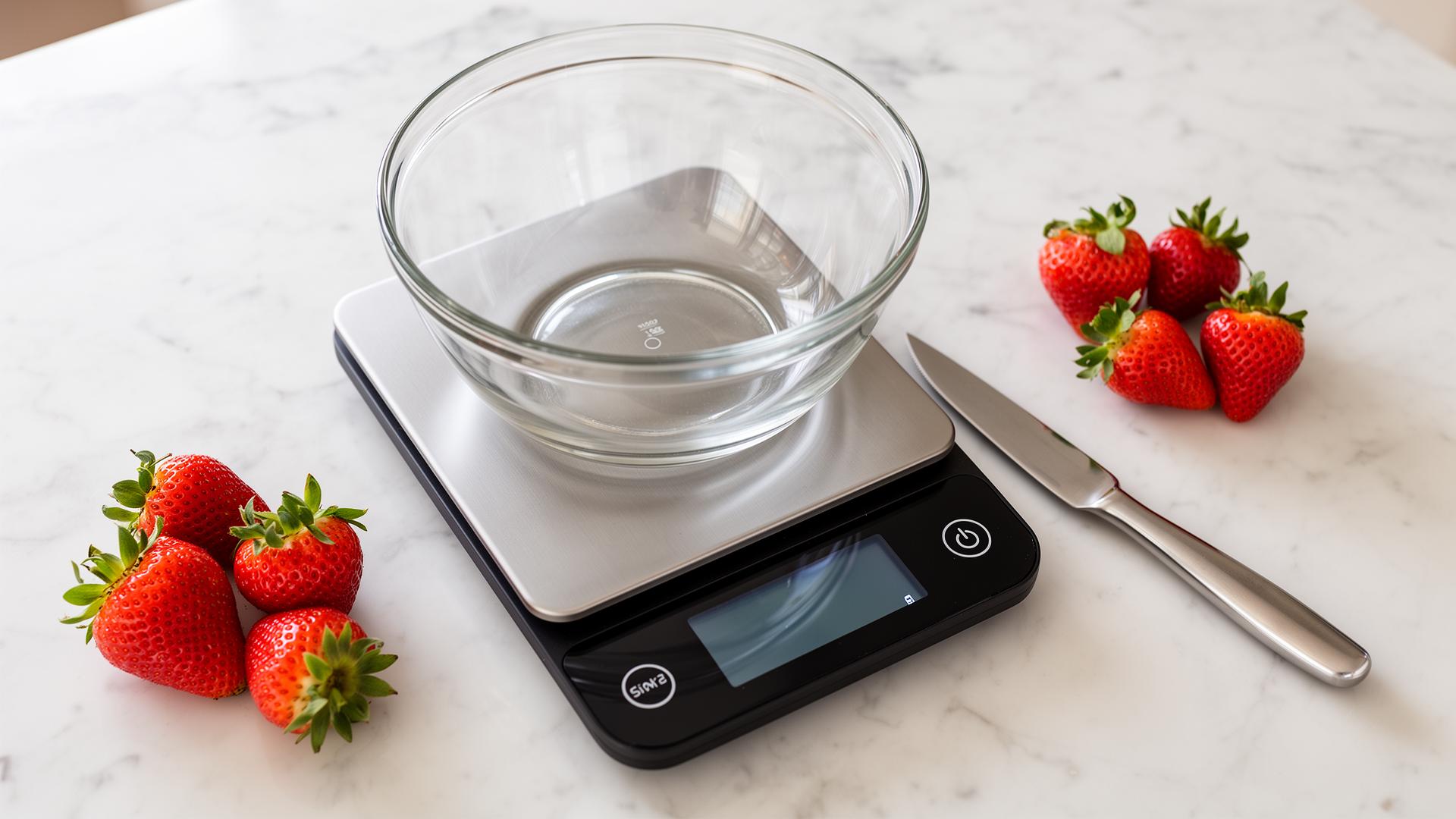
A kitchen scale is the single piece of equipment that does the most to improve a casual cook's results. The reason is simple and unromantic. Volume measurements lie a little, even when the cook is being careful. A cup of flour scooped from a fresh bag weighs less than a cup of flour scooped from a settled bag. A cup of brown sugar packed firmly weighs about a third more than a cup spooned in lightly. A cup of confectioners sugar straight from the box weighs less than a cup of the same sugar after it has had a chance to sift down on the pantry shelf. Every one of those small differences shows up in the texture of the finished baked good.
A scale removes all of that uncertainty in a single step. Two hundred fifty grams of flour is two hundred fifty grams of flour, no matter how anyone scoops it, packs it, or pours it. The scale is also faster than measuring cups for any recipe with more than three or four ingredients, because you can zero out the scale between additions and use the same bowl for everything. There is no parade of measuring cups stacking up in the sink, no flour dust on the counter from a mismeasured scoop, and no second guessing whether the cup was level.
The gram side of the scale is also more forgiving when a recipe needs to be scaled. Doubling two hundred fifty grams to five hundred grams is a single instinctive step. Doubling one and three quarter cups to three and a half cups is also doable, but it requires a moment of mental arithmetic that adds friction to a busy cook. Halving a recipe is even easier in grams, because dividing whole numbers is always cleaner than dividing fractions. A recipe written for one and a third cups becomes the slightly awkward two thirds cup when halved. A recipe written for three hundred grams becomes a tidy one hundred fifty grams.
None of this means a kitchen full of measuring cups should be tossed out. Liquid measurement is still easier with a glass pitcher and good lighting than with a scale. Spoons are still the right tool for a teaspoon of vanilla or a tablespoon of olive oil. The real shift is in the dry pantry. Once flour, sugar, cocoa, oats, nuts, and chocolate are all weighed instead of scooped, the rest of the kitchen quiets down by an order of magnitude.
Baking by Grams Is Honest Baking
Baking is the one place in the kitchen where small differences become visible. A cake that is fifteen percent over on the flour comes out dry and dense. A bread dough that is ten percent under on the water comes out tight and tough. A meringue that is even slightly off on the sugar collapses on the way out of the oven. Cooking can absorb a sloppy cup of broth or a generous handful of greens and still produce a good dinner. Baking cannot. Every pastry chef in the world weighs in grams for the same reason every chemistry teacher in the world weighs in grams, which is that grams do not lie.
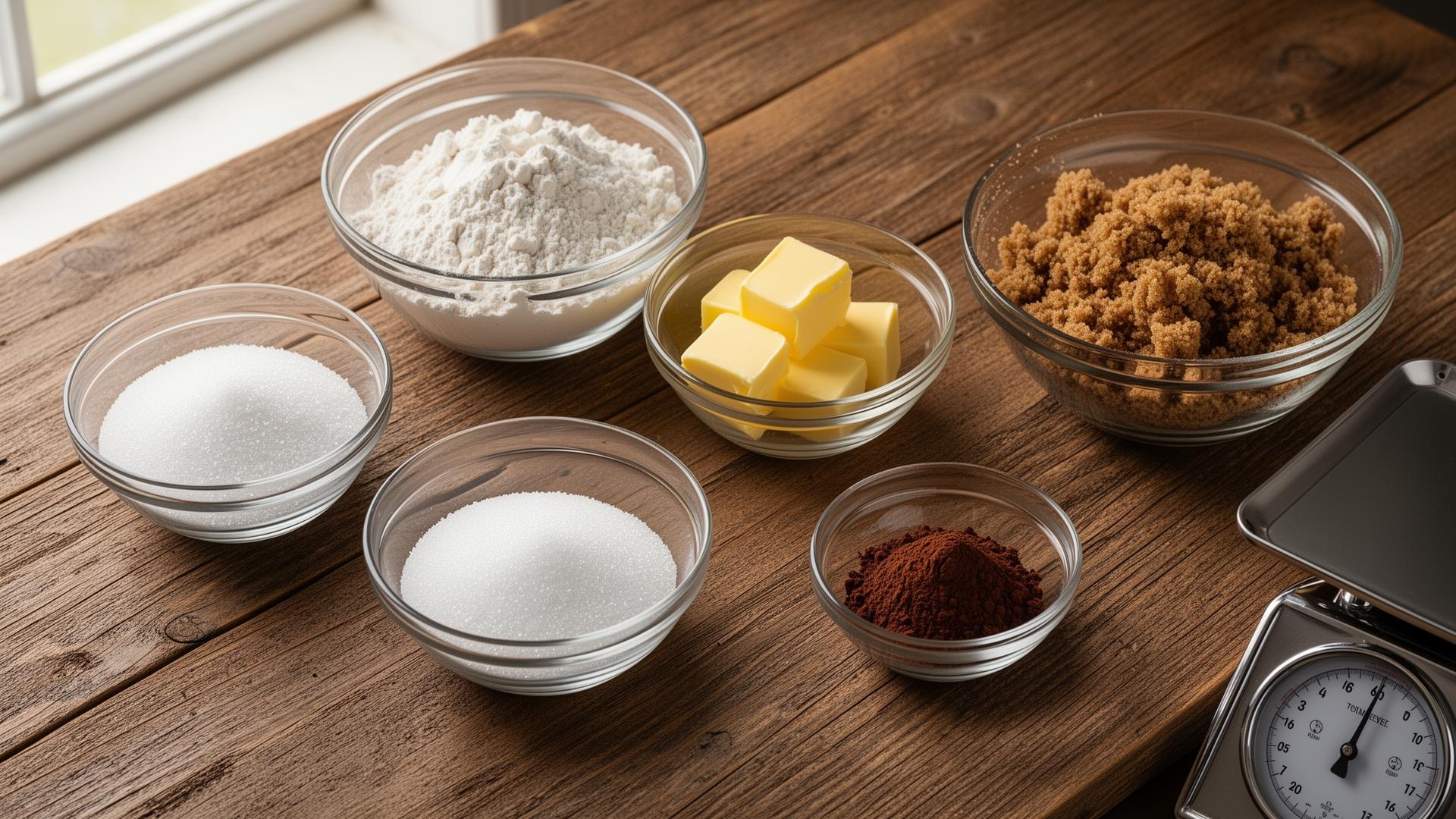
A small library of bakers' shortcuts will pay you back many times over once you adopt them. A cup of all purpose flour weighs about one hundred twenty five grams when scooped lightly and leveled. A cup of granulated sugar is about two hundred grams. A cup of packed brown sugar is about two hundred fifteen grams. A cup of confectioners sugar is about one hundred twenty grams. A cup of cocoa powder is about eighty five grams. A standard egg in shell is about fifty grams, with the white at thirty grams and the yolk at twenty. A stick of American butter is one hundred thirteen grams, which is also four ounces, which is also half a cup. Once these numbers settle into your head, you will find yourself converting recipes silently while you read them.
European baking books almost always work in grams, and following them is the fastest way to feel the difference. A French pain de mie recipe that lists five hundred grams of bread flour, three hundred grams of milk, fifty grams of butter, and ten grams of yeast feels intimidating in the abstract, but in front of a scale it is effortless. Place the bowl, zero the scale, pour in the flour until you hit five hundred, zero again, pour in the milk until you hit three hundred, zero again, drop in the butter, zero again, and add the yeast. The whole list takes two minutes and uses one bowl. Try the same recipe in cups and tablespoons and you will use four containers and double the cleanup.
For American bakers who are nervous about leaving cups behind, a gentle middle path works well. Buy a scale that has both gram and ounce modes, and follow new recipes in their native units while keeping favorites in cups. Within a few months, the gram side of the scale will be doing more of the work, simply because it is faster and the results are better. The cups stay in the drawer, ready to come back any time, but they slowly become the second tool rather than the first.
Gold, Silver, and the Troy Ounce in Daily Life
For most readers the troy ounce will only ever appear at one or two moments in life. The first is when buying a wedding ring, an heirloom piece of jewelry, or a small investment in physical silver. The second is when selling something inherited and discovering that the appraiser quoted everything in troy ounces and grams, never in everyday ounces. Both moments deserve a calm explanation, because the difference between the two ounces is large enough to matter financially.
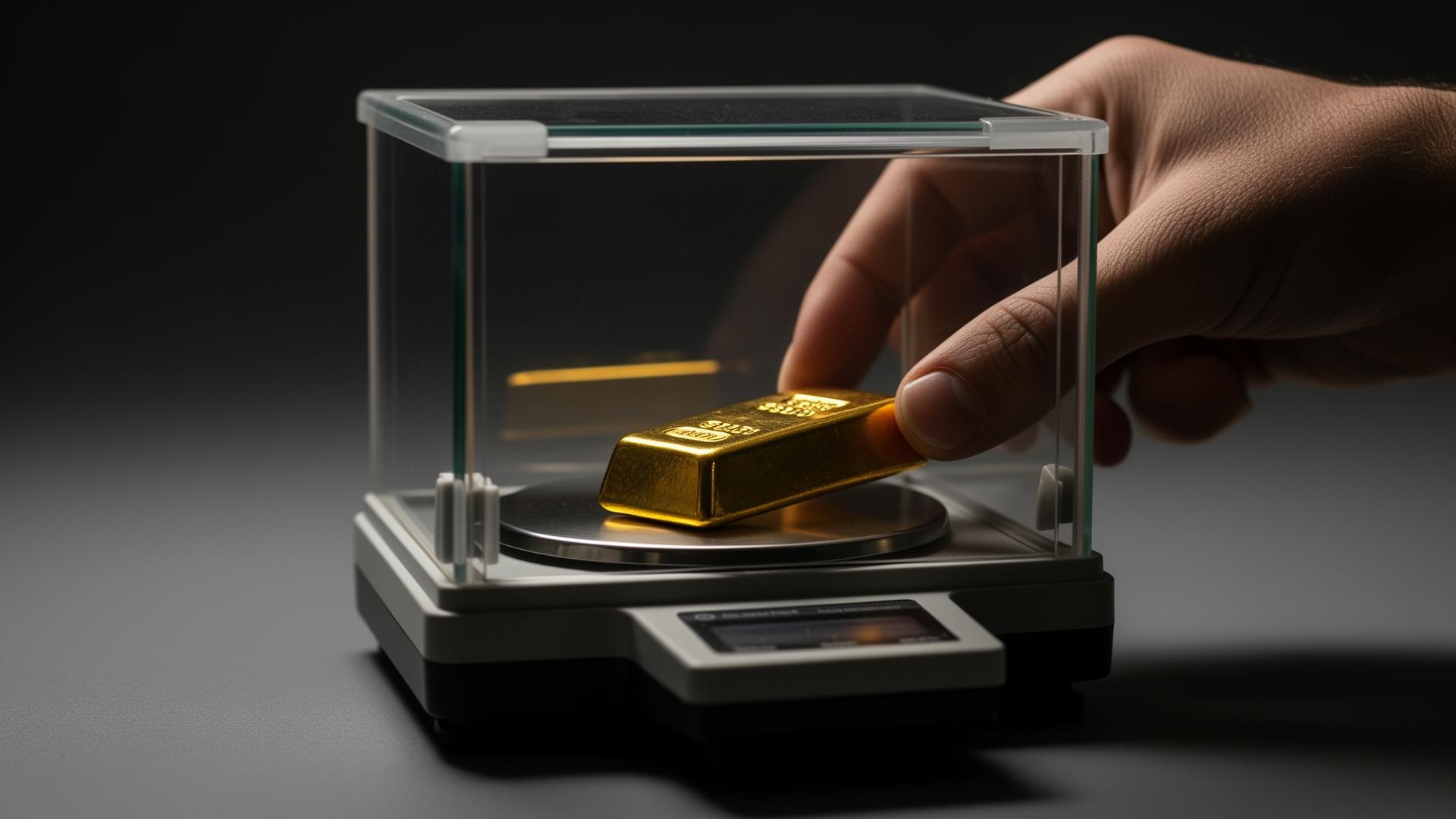
One troy ounce of gold weighs thirty one point one grams. A typical bullion gold bar is sold in one ounce, ten ounce, and one hundred ounce sizes, and every one of those ounces is troy. A small one ounce gold coin like a Krugerrand or an American Gold Eagle is one troy ounce of gold by definition. If a friend hands you a coin and asks how heavy it is, the right answer for an investment grade coin is thirty one point one grams. The coin will weigh slightly more on a kitchen scale because the gold is mixed with a small amount of harder metal for durability, but the gold content is one troy ounce.
Silver behaves the same way. A standard silver round, the kind investors buy in stacks, is one troy ounce, which is thirty one point one grams. A British sterling silver hallmark indicates a piece is at least ninety two and a half percent silver by weight, which means a one hundred gram sterling silver bracelet contains about ninety two and a half grams of silver, or just under three troy ounces. The calculator above can do this conversion in two clicks. Pick troy. Type the gram weight. Read the troy ounce answer. Multiply by the current spot price of silver and you have a fair scrap value to compare against any offer.
Jewelry resale is the place where this knowledge pays off most directly. Many casual sellers walk into a coin shop with a bag of inherited silver, accept the first quoted price, and leave a meaningful amount of money on the counter. The fix is simple. Weigh every piece on a kitchen scale at home in grams. Convert each weight to troy ounces using the calculator. Multiply by the appropriate purity percentage if it is sterling or fourteen karat gold. Then you walk into the shop with a number in your pocket and you can tell whether the offer is fair before you say yes.
Postage, Parcels, and the Small Math of Shipping
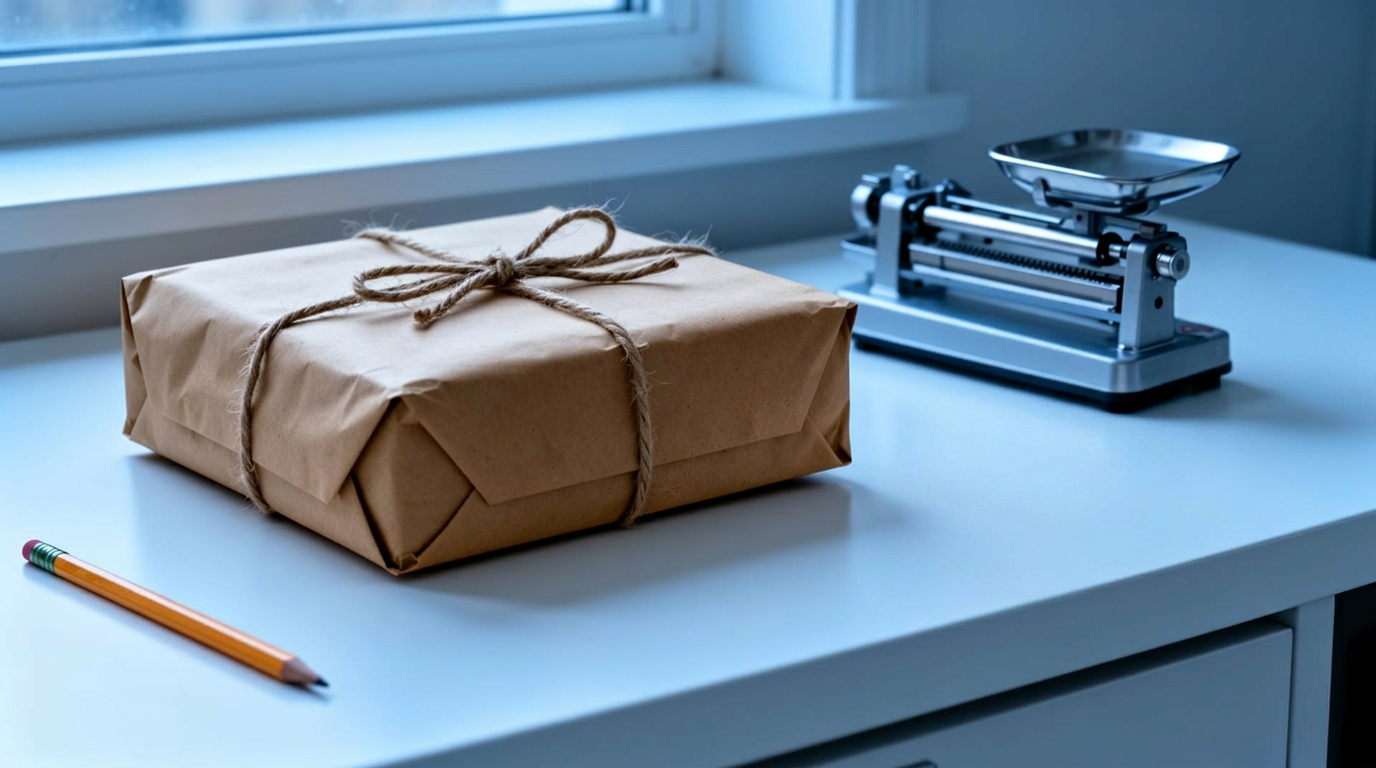
Step out of the kitchen and into the post office. Postage rates almost everywhere in the world are set in fixed weight bands, and the borders of those bands are exactly where ounce to gram conversions start to matter. A first class letter in the United States can weigh up to one ounce, which is just over twenty eight grams, before the price jumps. A standard small parcel band may end at sixteen ounces, or four hundred fifty four grams. Cross any of those borders by even one gram and the postage rate steps up to the next tier.
The small math here is worth doing once and remembering forever. If you are mailing handmade goods, books, or small electronics, weigh the finished package on a kitchen scale before you stand in line. If the scale shows a number close to a band edge, consider repacking with lighter materials. A heavy cardboard box and bubble wrap can easily push a parcel into a higher rate, and switching to a thinner mailer often pulls it back down. The calculator above can convert any kitchen scale reading from grams into ounces and back, which is helpful when comparing rates between countries that publish bands in different units.
International shipping adds another layer because most of the world publishes parcel rates in grams and kilograms, while United States rates are still mostly in ounces and pounds. A package mailed from a French studio to a customer in California has to be priced by the French post office in grams, then often described to the customer in ounces in the listing. A two hundred fifty gram parcel becomes a roughly nine ounce parcel. A five hundred gram parcel becomes a roughly seventeen and a half ounce parcel, which crosses the one pound mark and changes the rate band on the American side.
For online sellers this is not abstract. Listing a product weight that turns out to be wrong by a few grams can mean refunding shipping costs on every order. Listing a product weight that is correct down to the gram means the shipping calculator on a marketplace can quote accurately, the customer pays the right amount, and the seller pockets exactly what they expected. A scale that reads in both grams and ounces, paired with a converter for the rare odd case, takes the guesswork out of the whole process.
Body Weight, Food Labels, and Macro Tracking
Anyone tracking their own nutrition runs into ounces and grams every single day, even if they never think of it that way. A protein bar wrapper says it weighs sixty grams. A coffee shop muffin lists three hundred fifty calories per serving with the serving size given as one muffin, weight five ounces. A bag of nuts shows nutrition facts per twenty eight grams, which is exactly one ounce. Almost no part of the modern food environment is consistent. The labels chase whichever unit fits the package most cleanly.
The fix is to keep a tiny scale on the kitchen counter and to learn what one ounce of common foods actually looks like. A single ounce of cheddar cheese is roughly the size of a domino. A single ounce of nuts is a small cupped handful, around twenty almonds or fourteen cashews. A single ounce of chicken breast cooked is about the size of half a deck of cards. A single ounce of cooked pasta is a tiny portion that surprises most people the first time they see it. None of these portions need a calculator once your eye learns them, but the scale is still the honest answer when a recipe or label demands precision.
Tracking apps make the unit problem worse before they make it better. Many apps default to grams when you log a food, then ask you to enter the portion size in cups or ounces. The conversion is often quietly wrong because the database assumes a generic density. The cleanest path is to weigh the actual food in grams, log the gram weight directly, and let the app do its math from there. The calculator above is helpful when a recipe lists the ingredient in ounces and you need to translate it to grams before logging.
Body weight tracking has the opposite quirk. Most American bathroom scales report in pounds, sometimes with a tenth of a pound after the decimal. A tenth of a pound is about forty five grams, which is small enough to be the weight of a glass of water. People who weigh themselves daily often see the number bounce by a pound or two from morning to evening, which is mostly water and food in the digestive system. Switching the scale display to kilograms and grams makes those small fluctuations visible in a way that helps reset expectations. A real change in body composition over a week is almost never the same size as the daily noise.
Reading Recipes From Other Countries Without Panic
One of the most rewarding things a curious cook can do is start collecting recipes from countries other than their own. A French baking book, a Japanese home cooking magazine, an Italian nonna's stained handwritten card, a British Sunday roast tradition, an Indian biryani method passed down through three generations. Each one of these will arrive with measurements in the local convention, and each one will gently force you to become a better translator.
European recipes almost always work in grams and milliliters. A French quiche recipe might list two hundred grams of flour, one hundred grams of butter, one egg, and a pinch of salt for the crust. The custard might call for two hundred fifty milliliters of cream, three eggs, and one hundred grams of cheese. Every weight number in that recipe is a gram weight, and the calculator above can hand each of them to you in ounces if you want to see the equivalents. Two hundred grams of flour is about seven ounces. One hundred grams of butter is about three and a half ounces, just under a stick. One hundred grams of cheese is about three and a half ounces, which is roughly a typical pre packaged slice stack.
British recipes are a polite halfway house. Modern British cookbooks publish in grams. Older British cookbooks, the kind handed down from a grandmother, often work in ounces. A traditional Victoria sponge recipe might call for six ounces each of flour, sugar, and butter, plus three eggs. The calculator can turn each of those six ounce weights into one hundred seventy grams, which makes the recipe usable on a modern digital scale without losing the ratios that make the cake work.
Asian recipes vary widely. Japanese baking and cooking lean heavily on grams, often with a precision that surprises Western cooks. A Japanese cheesecake recipe might specify two hundred fifty grams of cream cheese to within a single gram. Chinese recipes from the mainland publish in grams. Recipes from older Chinese cookbooks for an English speaking audience may use ounces, sometimes mixed with cups. Indian recipes, especially in their original form, often use volume units like the cup or the tola, but printed cookbooks for international audiences increasingly publish in grams. In every case, a scale that reads grams and a calculator that converts between grams and ounces are the only two tools needed to make any of these recipes feel local.
Mental Shortcuts You Will Actually Remember
A short list of mental shortcuts that survive a busy kitchen and a noisy garage.
One ounce is about twenty eight and a third grams. A pound is about four hundred fifty four grams. A kilogram is about thirty five and a quarter ounces, or two pounds and three ounces. Memorize those three numbers and almost every everyday question is answered in your head before you reach for any tool.
One troy ounce is about thirty one point one grams. A small precious metals coin sold as a one ounce coin contains thirty one point one grams of metal. The everyday kitchen ounce will read a different number on a kitchen scale, because the kitchen scale uses the avoirdupois ounce. The metal has not changed weight. The unit is just smaller.
One hundred grams is about three and a half ounces. Two hundred fifty grams is about nine ounces. Five hundred grams is about seventeen and a half ounces, which is just over a pound. A full kilogram is just over two pounds. Almost every European recipe sits inside that small ladder, which means once you can move freely between those four numbers, you can read any European recipe at a glance.
A standard egg weighs about fifty grams in the shell. A cup of all purpose flour weighs about one hundred twenty five grams. A cup of granulated sugar weighs about two hundred grams. A stick of butter is one hundred thirteen grams. Those four kitchen numbers are enough to translate the vast majority of American baking recipes into European weights without a calculator.
For postage, a first class letter is one ounce, which is twenty eight grams. A standard small parcel rate often ends at one pound, which is four hundred fifty four grams. A medium parcel band typically tops out somewhere near two pounds, which is just over nine hundred grams. Knowing the band edges in both units is the difference between paying the rate you expected and being surprised at the counter.
The Five Mistakes That Trip Up Almost Everyone
Five mistakes catch nearly everyone at some point in this conversion world. Knowing them in advance is the cheapest way to avoid them.
The first mistake is treating fluid ounces and weight ounces as the same thing. A fluid ounce is a volume. A weight ounce is a mass. They only line up for water, and even then only at room temperature. The calculator at the top of this page handles weight ounces. If your recipe uses fluid ounces, you want a different tool, ideally one that knows the density of the specific liquid you are pouring.
The second mistake is assuming all ounces are the same kind of ounce. The everyday ounce on a food label and the troy ounce on a gold coin are about ten percent different in weight. Mixing them costs nothing in the kitchen and costs real money at a coin shop. Always check the toggle on the calculator before reading the answer.
The third mistake is rounding too aggressively too early. The everyday rule of thumb is that one ounce equals twenty eight grams. The honest number is twenty eight point three five. For a single serving the difference is invisible. Multiply that small rounding error across a kilogram of an ingredient and you can be off by ten or twelve grams, which is enough to matter in a delicate baked good. Use the calculator for any conversion that involves more than a few hundred grams, and let it carry the decimals for you.
The fourth mistake is trusting the printed weight on a package without verification. Net weight on a label is allowed by law to vary by a small percentage in either direction. A bag labeled five hundred grams might really hold four hundred ninety or five hundred ten. For everyday cooking this never matters. For a recipe that depends on a precise hydration ratio, weigh the actual ingredient before you start. The few seconds of extra effort save the rare batch that would otherwise come out wrong.
The fifth mistake is using a scale that has not been zeroed. Every kitchen scale drifts a little with temperature changes and battery age. A scale that reads two grams when nothing is on the platter will report every ingredient as two grams heavier than it really is. Press the tare button or the zero button before you start any recipe, and press it again every time you add a new bowl or container to the platter. That single habit eliminates almost every kitchen scale problem that home cooks ever experience.
Choosing and Trusting a Kitchen Scale
A good kitchen scale costs less than a good chef's knife and pays for itself within a month of regular use. The features worth looking for are short and easy to remember. A flat platter that is at least the width of a mixing bowl. A clear digital display that reads down to a single gram. A capacity of at least three kilograms, which is enough for any reasonable home recipe. A tare button that zeros the scale with a single press. A unit toggle that switches between grams and ounces, ideally with a third option for milliliters of water.
Battery life is the quiet feature that decides whether the scale gets used. A scale powered by two AA batteries will run for years if it has an auto shutoff that triggers after a couple of minutes of inactivity. A scale powered by a button cell battery often dies right when a recipe demands it, because the battery has been quietly draining since the last time it was used. If a scale offers a USB rechargeable option, that is usually the most reliable choice for daily cooking.
Trusting the scale is the next step. Once a month, place a known weight on the platter and check that the reading matches. A wrapped roll of coins is a convenient calibration object, because every roll has a printed weight printed on the wrapper or available online for the specific country and denomination. A bottle of water with a labeled fill volume is also a workable check, because a milliliter of water weighs one gram very closely. If the scale ever drifts more than two or three grams from the expected value, the easy fix is a fresh battery. If a fresh battery does not solve it, the scale has reached the end of its useful life.
For a kitchen that does serious baking or precise pour over coffee, a second smaller scale that reads down to one tenth of a gram is a worthwhile addition. The fine resolution makes a real difference for yeast, salt, baking soda, and coffee, where a few tenths of a gram can change the result of an entire recipe. The big scale handles flour, sugar, and water. The small scale handles the precision ingredients. The two together cover essentially every weight question a home kitchen will ever ask.
Edge Cases the Calculator Quietly Handles for You
The calculator at the top of this page handles a few quiet edge cases that almost no shortcut covers. The first is the toggle between avoirdupois and troy ounces. Picking the right one before you type takes a single click and saves the most expensive mistake in the entire ounce world.
The second is the precision slider. A casual conversion in the kitchen needs only one or two decimal places. A calibration check on a digital scale benefits from four or five decimal places, because the underlying math is exact and reporting the exact answer makes any drift in the scale visible. The calculator slides smoothly between casual and precise without forcing you to choose a single mode for every conversion.
The third is the simultaneous output in pounds and kilograms. Almost every weight conversion question in real life is really three questions hiding inside one. How many grams is this. How many pounds is this. How many kilograms is this. The calculator answers all three at once, which means a single typed number tells you the answer in whichever unit happens to fit the moment.
The fourth is graceful handling of fractional inputs. If you measured a precise three and a quarter ounces of an ingredient, you can type three point two five and the conversion happens cleanly. If you weighed exactly four hundred seventeen grams of yeast and want to know whether that is closer to fourteen and a half or fifteen ounces, the answer comes back without any fraction wrangling on your part.
The fifth and quietest feature is the swap button. Pressing it carries the result into the input field and reverses the direction of the conversion. That tiny convenience is the difference between a tool that works the way your brain works and a tool that forces you to retype the same number every time you want to check a conversion in the other direction.
The Quiet Confidence of Knowing Your Grams
The point of a long article like this is not to make you remember every decimal of every conversion factor. It is to give you the calm that comes from knowing the shape of the territory. Ounces and grams sound complicated until you spend half an hour with them, and then they become the kind of thing you can lean on without thinking. One ounce is about twenty eight and a third grams. A pound is about four hundred fifty four grams. A kilogram is about two pounds and three ounces. The everyday ounce is the avoirdupois ounce, and the heavier troy ounce belongs to gold and silver alone. Once those handful of facts settle into your head, the calculator above becomes a friendly second opinion rather than a crutch.
Trust the rule of twenty eight and a third for everyday cooking, postage, and shopping. Switch to troy when you weigh anything precious. Use a scale when the recipe matters. Use the calculator when the recipe gets weird, when the unit comes from a country whose conventions you do not quite know yet, or when a dilution depends on a number you do not want to round in your head. The combination of a steady mental model and a careful tool is enough to handle every ounces to grams question a normal life will ever throw at you. Weigh with confidence. Read the display when it settles. And when in doubt, type the number into the calculator at the top of this page and let it carry the last little bit of the load.