

 Hannah Brooks
How much water you actually need (and why "8 glasses a day" was never the right answer)
How much water you actually need (and why "8 glasses a day" was never the right answer)
Almost everyone has heard the rule about eight glasses of water a day. Almost no one knows where it comes from, which is interesting because tracing it back is harder than you'd think. The most-cited origin is a 1945 recommendation from the U.S. Food and Nutrition Board that suggested adults consume around 2.5 liters of water daily — but the same recommendation included a sentence, often dropped from later retellings, noting that most of that water is already present in prepared food. The "eight glasses" version that survived into the 1990s and became a wellness mantra had stripped that caveat out somewhere along the way. So the rule is sort of based on a real number that meant something different, which is roughly the worst kind of health advice to be working with.
The actual current guidance from the National Academies of Sciences works out to about 3.7 liters of total daily fluid intake for men and 2.7 for women — including water from food, which makes up around 20 percent of intake for most people on a normal diet. Subtract that and you're looking at roughly 3 liters and 2.2 liters of actual drinking, on average, with the obvious caveat that "average" is doing a lot of work in that sentence. A 220-pound person needs more than a 120-pound person. Someone who exercises needs more than someone who doesn't. Someone in Phoenix in August needs more than someone in Seattle in February.
A water intake calculator is, basically, a tool that does that adjustment for you. It's not particularly precise at the individual level — biology has too many variables for any formula to nail your exact number — but it gets you out of the "is 64 ounces enough" mental loop and gives you something that's at least sized to your body and your situation.
Why bodyweight matters more than the round-number rule
A 220-pound construction worker in Phoenix in August needs more fluid than a 130-pound desk worker in Seattle in February. This is not a controversial claim, but the eight-glasses rule treats them as if they have the same hydration needs.
The standard formulas built into most water calculators usually start from bodyweight and then adjust for activity and climate. A common rule of thumb is roughly half an ounce to an ounce of water per pound of bodyweight per day, which gives a 150-pound person somewhere between 75 and 150 ounces. That's a wide range, and it's wide on purpose — your actual needs sit somewhere inside it depending on what else you're doing.
Activity and climate matter more than people think
Exercise produces sweat, sweat is mostly water plus a bunch of dissolved electrolytes (sodium does most of the work, with potassium, chloride, and a small amount of magnesium also showing up), and losing too much of that fluid is what produces the lightheadedness and the muddled thinking and the muscle cramps people associate with hard workouts that didn't go well. None of this is news, but the actual numbers are bigger than most people think.
An hour of moderate exercise will typically lose you somewhere between half a liter and a liter of fluid, depending on the temperature and how much you're sweating. An hour of hard exercise in heat can be over two liters. Most people don't replace anywhere near that during the workout itself, which is fine for a single session — your body handles temporary fluid deficits without much trouble. The problem is when long sessions in hot weather get stacked on top of each other across days without proper recovery, which can produce a chronic mild dehydration that affects sleep, performance, and mood without ever crossing into "I feel dehydrated" territory. Endurance athletes deal with this constantly; most weekend exercisers don't, but the mechanism is the same.

Climate works on a longer timescale than exercise but in the same direction. Hot, dry climates increase your baseline needs because you're losing water through invisible perspiration and respiration even when you're sitting still — that's why you can wake up in Arizona dehydrated without having done anything. Humid climates make sweating less efficient at cooling, which means you sweat more for the same amount of cooling effect, which means more fluid loss for the same activity. Neither is worse than the other, exactly, but they make different kinds of demands on your hydration.
Other things that change your needs
Pregnancy bumps blood volume up by something like 30 to 50 percent over the course of nine months, which means more circulating fluid to maintain it. Breastfeeding compounds this because breast milk is mostly water. Most prenatal guidance suggests an extra 300 ml a day or so during pregnancy and around 700 ml during breastfeeding, though as with most hydration advice, thirst tracks this pretty well if you're paying attention to it.
Diet matters in ways that aren't obvious. A high-sodium diet causes you to retain water — that bloated post-restaurant-meal feeling is mostly sodium. Conversely, eating a lot of water-rich foods (fruit, vegetables, soup) reduces how much you need to drink, because you're already taking water in through food. Some medications shift things too: diuretics, lithium, certain blood pressure medications, and a handful of antidepressants can affect fluid balance in directions that matter if you're on them long-term. Caffeine has a mild diuretic effect that you build tolerance to, which is why "coffee dehydrates you" is mostly wrong for habitual coffee drinkers and somewhat true for people who almost never have it.
And being sick rearranges everything. Fever increases fluid loss through sweat, vomiting and diarrhea obviously do, and respiratory infections that involve faster breathing increase loss through respiration. The reason "stay hydrated" is the universal advice for being sick isn't lazy — it's because most acute illnesses are dehydrating in some way, and being adequately hydrated genuinely helps recovery.
Other beverages count
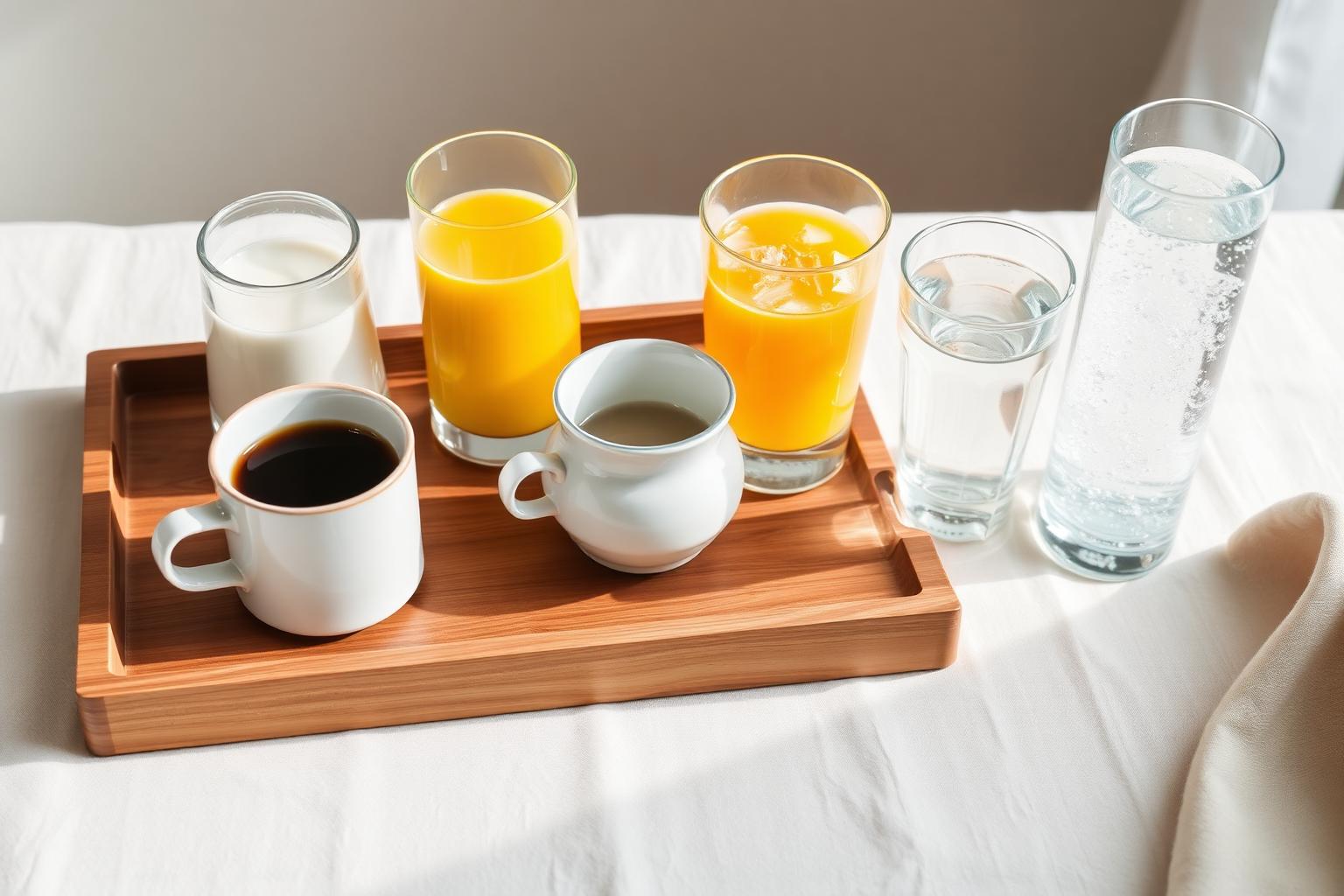
Plain water doesn't have a monopoly on hydration. Most fluids you drink contribute to your daily intake — coffee, tea, milk, juice, soda, sparkling water, soup, and the water in fruit and vegetables. The Beverage Hydration Index research from a few years back actually found that some drinks (notably milk, oral rehydration solutions, and orange juice) hydrate slightly better than plain water because they're absorbed more slowly and cause less rapid urine output. This is one of those findings that's been overinterpreted into "milk is better than water," which isn't really the takeaway. The more accurate version is "you don't have to drink only water to stay hydrated, and the difference between most beverages is small."
Alcohol is the main exception. It suppresses the hormone that signals your kidneys to hold water, so you end up urinating out more fluid than the drink contributed in the first place. This is most of why hangovers feel the way they do. Very high-sugar drinks in very high volumes can do something similar through a different mechanism — concentrated sugar pulls water into your gut faster than you can absorb it back out — but you'd have to be drinking quite a lot of soda for this to matter.
Sports drinks are useful in a narrower window than the marketing suggests. If you're exercising hard for over an hour, especially in heat, the sodium and carbohydrates in a sports drink can help you absorb fluid faster and replace what you're losing. For a 30-minute jog in mild weather, you don't need them — they're just sugar water that adds calories you don't need. The threshold where they actually start mattering is roughly 60 to 90 minutes of continuous moderate-or-harder exercise.
How to tell if you're underdrinking
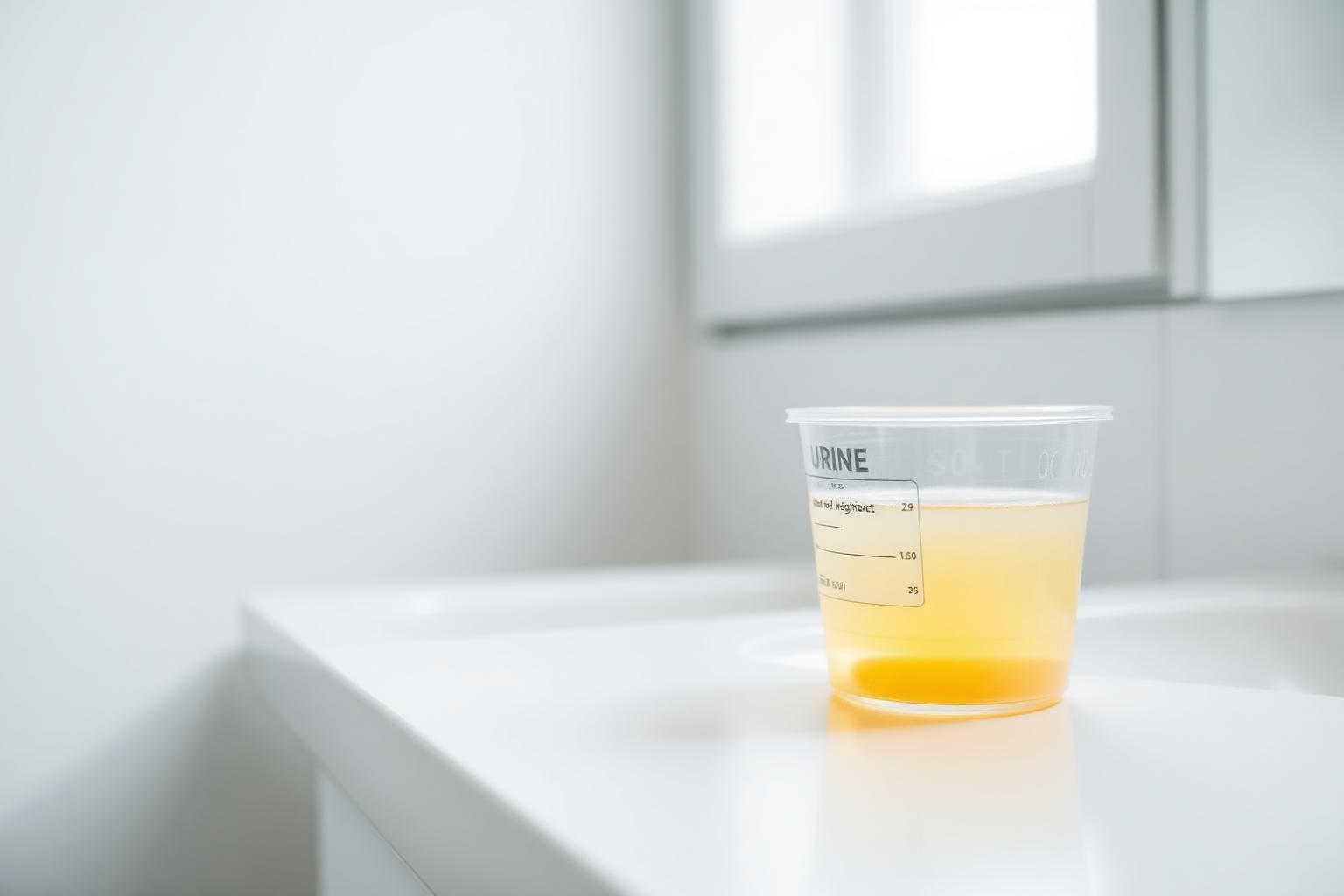
Urine color is the easiest indicator and the one clinicians actually use as a quick check. Pale yellow is the target. If it's clear all day you're probably drinking more than necessary — not dangerous in normal circumstances, just pointless effort. Dark yellow or amber means you're running behind, with the asterisk that first-thing-in-the-morning urine is usually more concentrated regardless of hydration status, so don't read too much into that one.
Past that, the symptoms are real but unspecific. A dry mouth that doesn't resolve after drinking, mid-afternoon headaches, brief lightheadedness when you stand up, a noticeable midday drop in concentration — all of these can be dehydration, and all of them can also be twenty other things. The honest take is that if a few of these are happening together and you know you've been drinking less than usual, water is a cheap and fast first thing to try before you go looking for fancier explanations.
The actual warning signs are the unusual ones: confusion or disorientation, very dark or scant urine over many hours, a racing pulse at rest, or being in heat and noticing you've stopped sweating. Those don't mean drink some water, they mean drink some water and pay attention to what happens next, and if it doesn't resolve quickly, see a doctor. Severe dehydration is rare in healthy adults but it gets dangerous fast in older people, in young children, and in anyone with significant ongoing fluid losses from illness.
What a calculator is actually for
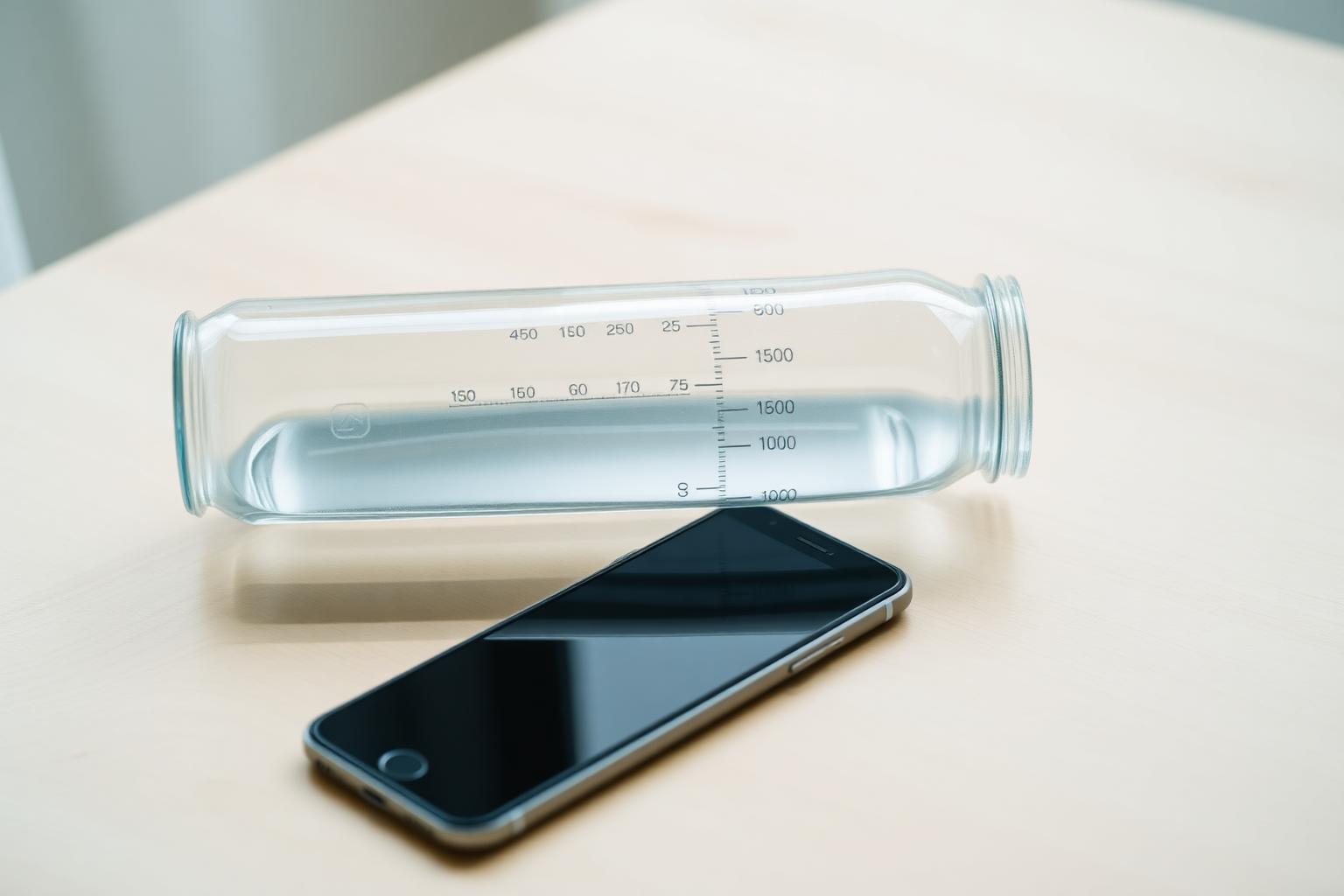
The useful thing about a water intake calculator isn't the precision of the number it produces, because the number isn't very precise. The useful thing is that it replaces a vague "am I drinking enough" with a concrete "your situation suggests something around 2.5 liters." You can compare that to what you're actually drinking and have an answer instead of a hunch. That's it. That's most of the value.
If you're using an app that combines a calculator with tracking and notifications, the value is different and largely behavioral. Some people genuinely just forget to drink water during the workday — desk workers in air-conditioned offices are the classic case — and a phone nudge a few times a day is the simplest possible solution to that problem, more useful than any amount of mental optimization of what your target should be.
There's a flip side to this, though, and I think it's worth saying out loud. Hydration tracking can turn into its own kind of low-grade anxiety. I've seen people forcing down water they don't want because their app says they're behind, or feeling guilty for not hitting a number that was somewhat made up to begin with. If that's where you've ended up, the tool is now actively making things worse. The underlying advice — drink when you're thirsty, drink more on hot days and active days, glance at urine color sometimes — is genuinely most of what the calculator is trying to formalize. For some people the formalization is useful. For others it just adds friction.
The honest version
Most healthy adults who drink water with meals, have a coffee or tea or two during the day, and grab a glass of something when they notice they're thirsty are getting enough fluid without thinking about it. The thirst mechanism evolved to handle this, and in non-extreme conditions it does. The people who actually need to be careful with hydration math are athletes in heavy training, people doing physical work in hot environments, pregnant and breastfeeding women, anyone with a medical condition that affects fluid balance, and older adults whose thirst sensation has weakened with age. The ratio of "people who need to track hydration carefully" to "people who currently track hydration carefully" is, I'd guess, pretty far off — most people fall in the second group without needing to.
Calculators and apps are still useful for everyone else, just for a smaller reason than the wellness internet suggests. They let you check rather than guess. If you do the math and you're already in the right ballpark, you can mostly stop thinking about it. If you're significantly under, you have something concrete to adjust. There isn't really a third outcome that requires anxiety.